Discover Collections
Browse objects from public collections on Vitrine.
63 objects
SYNC
Test 8 - Updated

App Test
Test 8 - Updated
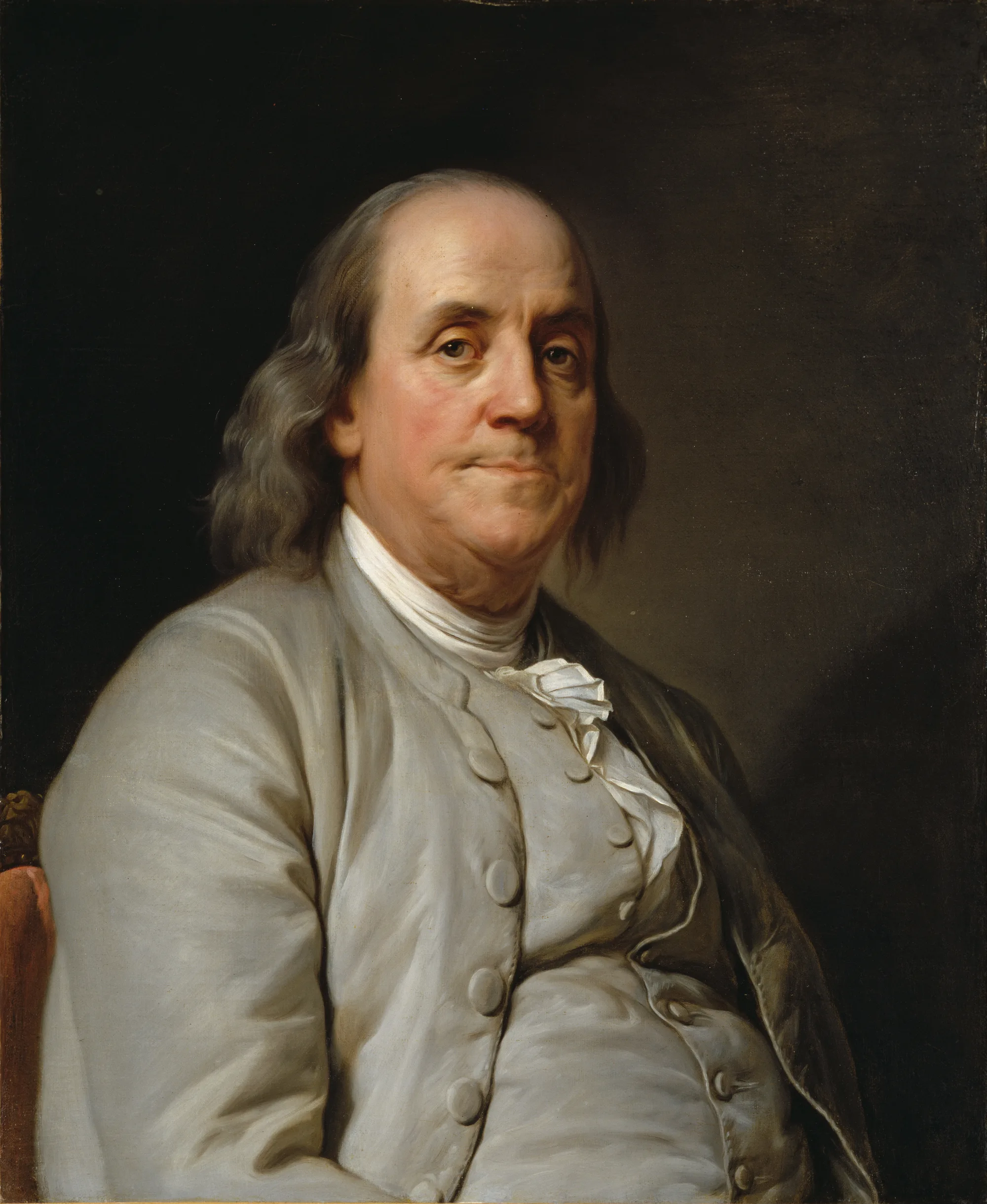
United States 5¢ Franklin (1847)
The 1847 5-cent Franklin is the first general-issue US stamp, alongside the 10-cent Washington. Before this, US post used postmasters' provisional adhesives.
Example Classic Postage Stamps
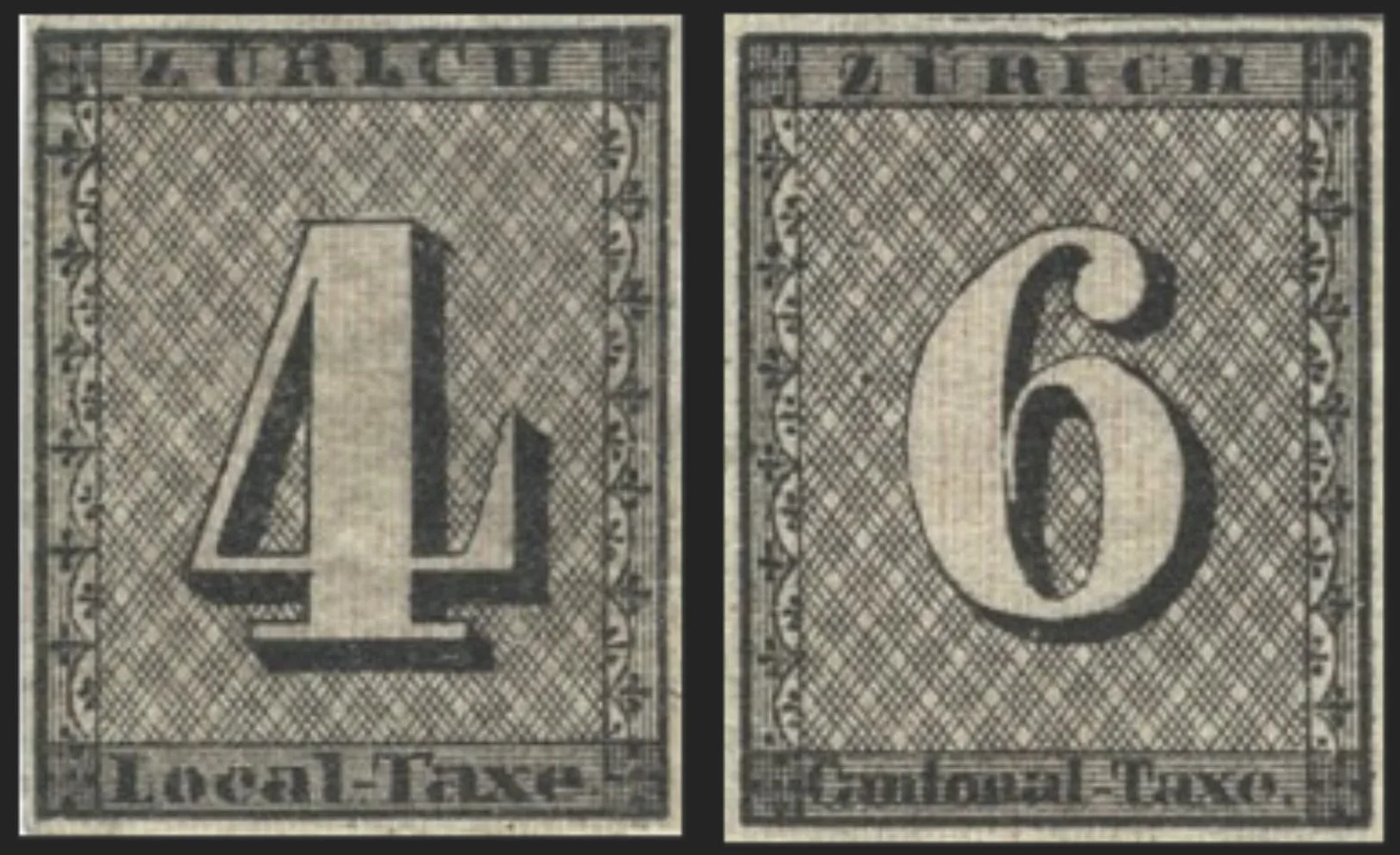
Zürich 4 Rappen "Cantonal" (1843)
Zürich's cantonal stamp, issued March 1843 — one of the first adhesive stamps in continental Europe, alongside the Brazilian Bull's Eye.
Example Classic Postage Stamps
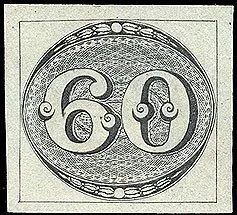
Brazil "Bull's Eye" 90 Réis (1843)
The Bull's Eye is the second country issue in the world after the Penny Black — Brazil's first adhesive stamp, released 1 August 1843.
Example Classic Postage Stamps
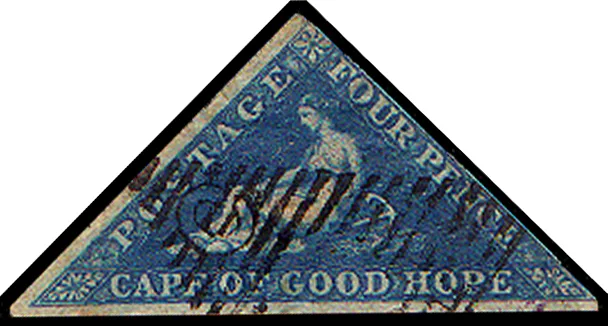
Cape of Good Hope Triangular 1d (1853)
The Cape Triangular — the first stamp issued in Africa and the first triangular stamp ever produced. Designed to help illiterate postal workers distinguish international from domestic mail.
Example Classic Postage Stamps
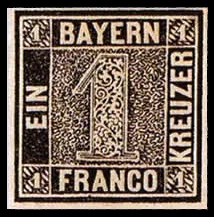
Bavaria "Schwarzer Einser" 1 Kreuzer (1849)
The "Schwarzer Einser" (Black One) was the first postage stamp of the Kingdom of Bavaria and the first adhesive stamp issued in the German states.
Example Classic Postage Stamps
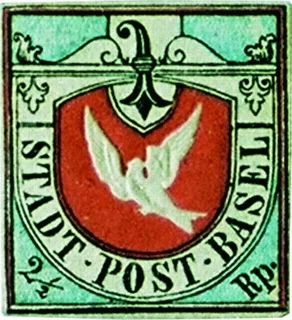
Basel Dove 2½ Rappen (1845)
The Basel Dove is the first three-colour stamp in philatelic history — issued by the Swiss canton of Basel-Stadt in 1845, before Switzerland's federal postage system.
Example Classic Postage Stamps
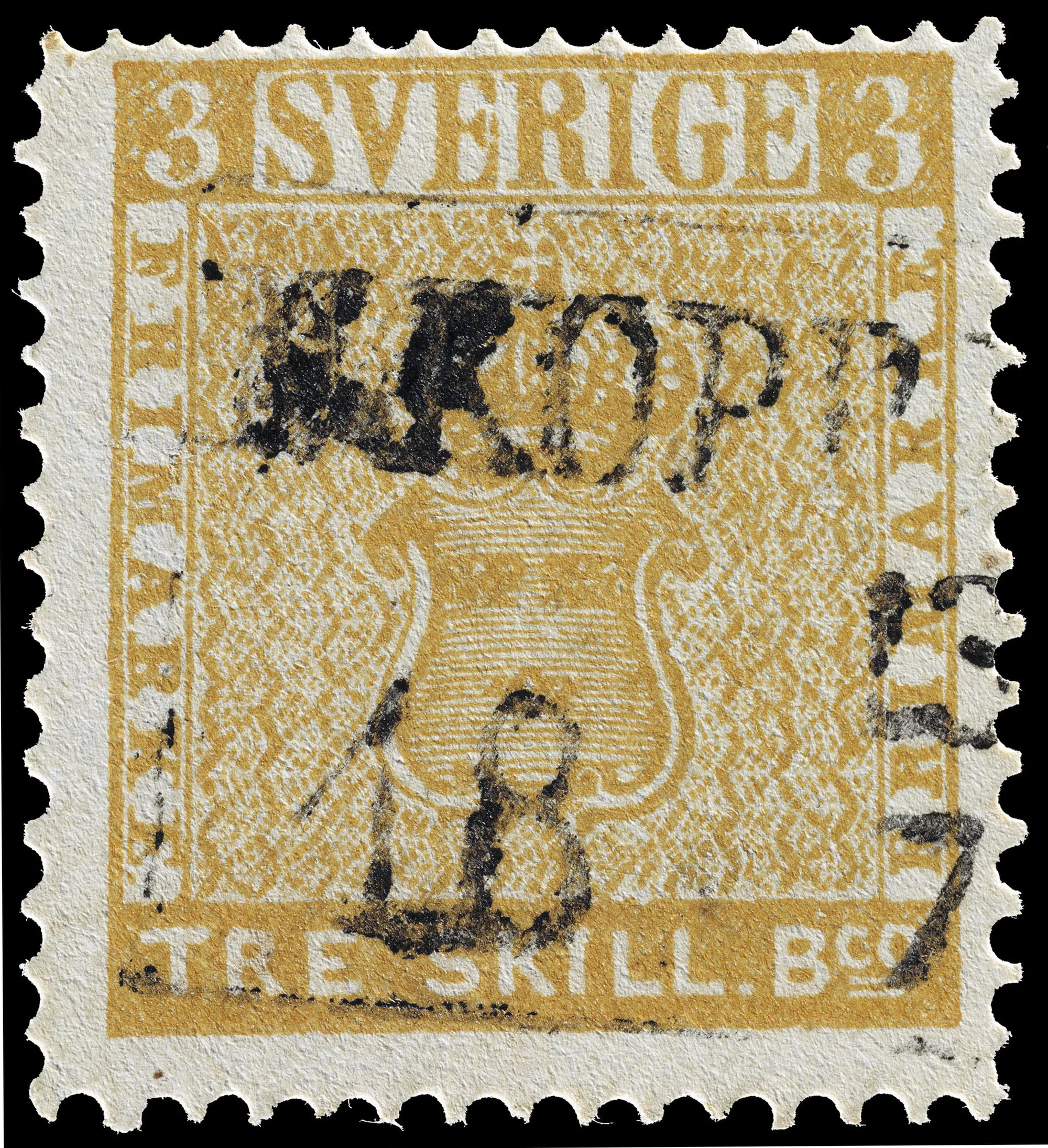
Sweden Treskilling Yellow (1855, replica proof)
Reproduction of the unique Treskilling Yellow — a Swedish stamp that should have been green but was printed in yellow by mistake. A single copy is known.
Example Classic Postage Stamps
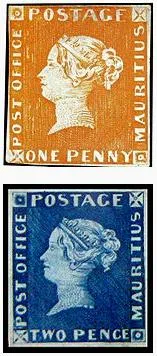
Mauritius "Blue" Post Office (1847, replica proof)
Reproduction of the celebrated "Blue Mauritius" — one of the most desirable classic stamps, from the first British Empire colony to issue postage stamps after Britain itself.
Example Classic Postage Stamps
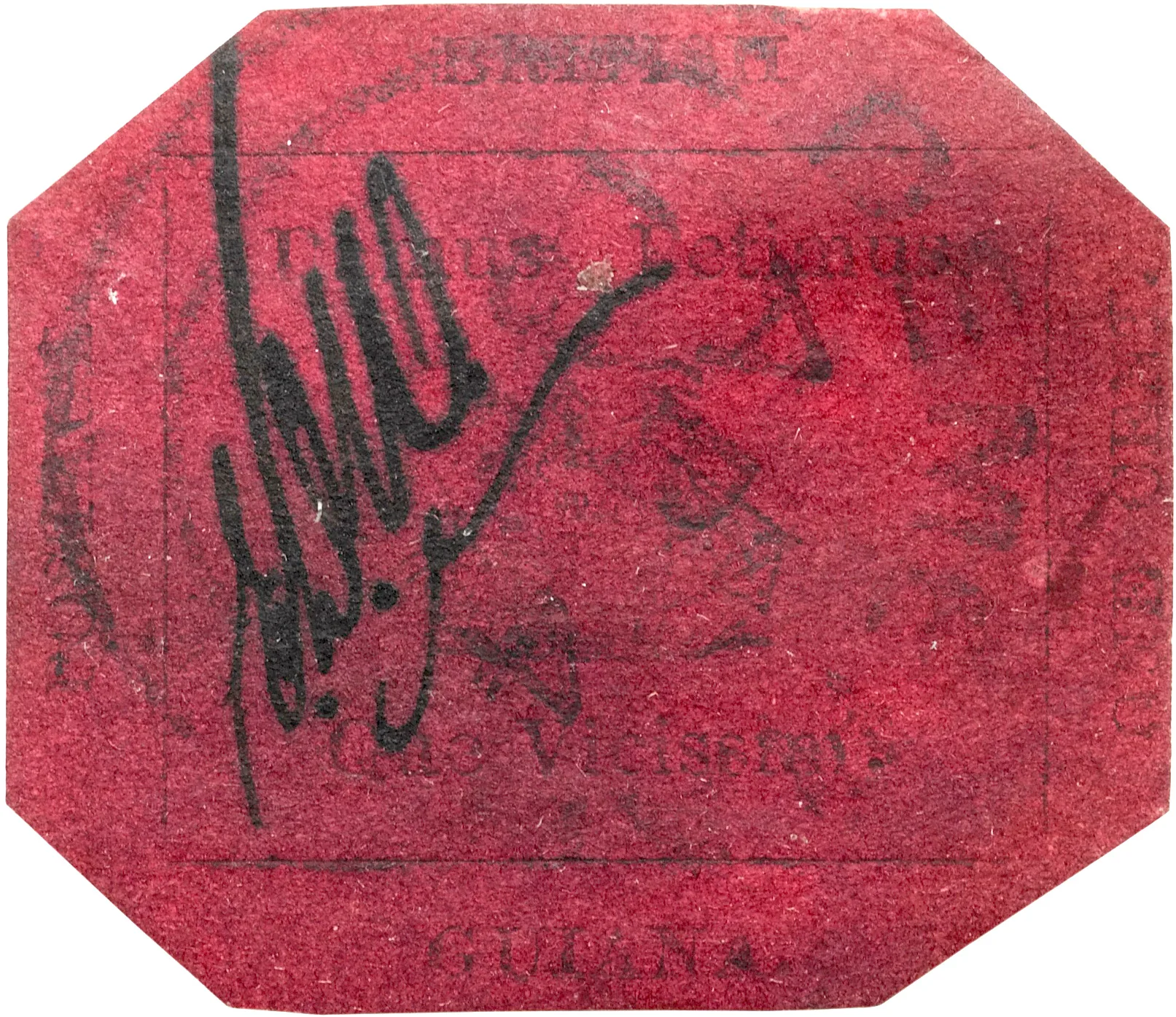
British Guiana 1c Magenta (1856, replica proof)
High-quality photographic reproduction of the 1856 British Guiana 1c Magenta — the most valuable stamp in the world. The single known original sold for US$8.3m in 2014.
Example Classic Postage Stamps
Hawaiian Missionary 2¢ (1851)
Earliest stamps of the Kingdom of Hawaii, typeset by the Polynesian newspaper. The 2c value was used on missionary correspondence home to New England.
Example Classic Postage Stamps
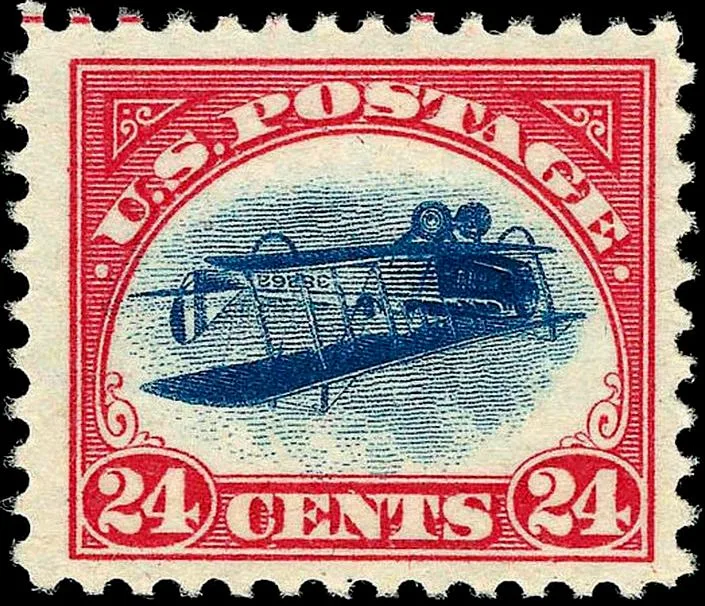
Inverted Jenny (1918)
One of philately's most celebrated errors — a 1918 US airmail stamp with the Curtiss JN-4 "Jenny" biplane printed upside down. Only one sheet of 100 reached the public.
Example Classic Postage Stamps
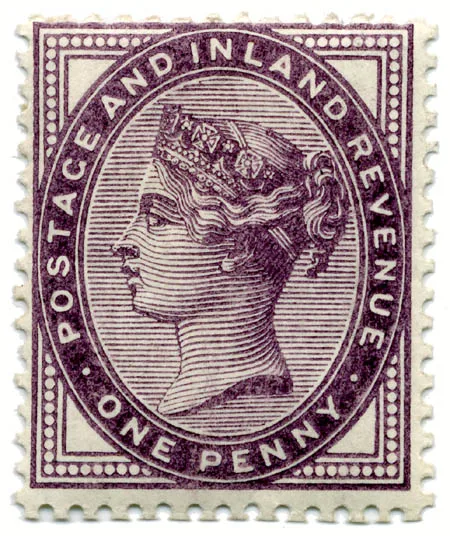
Penny Lilac (1881)
Surface-printed replacement for the Penny Red. The "14-dot" and "16-dot" varieties distinguish the 1881 issues.
Example Classic Postage Stamps
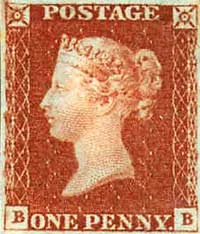
Penny Red (Plate 137, 1860s)
The Penny Red replaced the Penny Black in 1841 and became the most widely-used stamp of the 19th century — circulating for 38 years.
Example Classic Postage Stamps
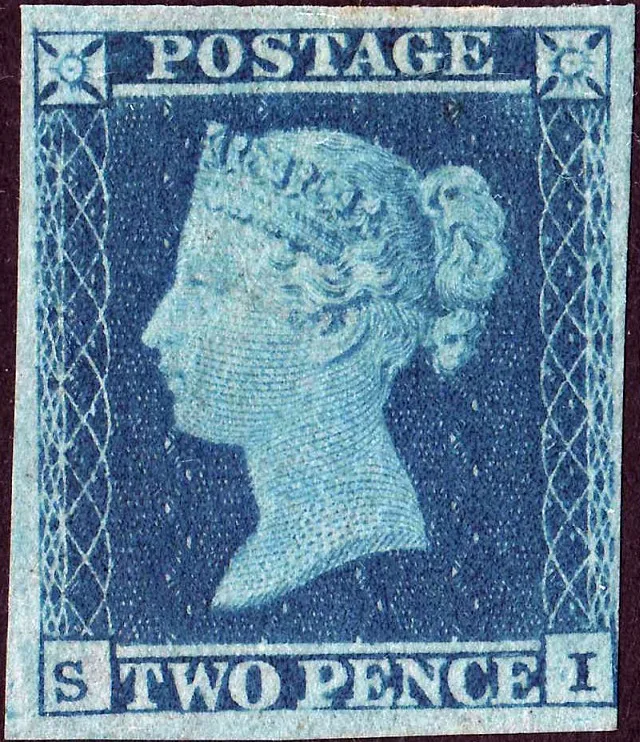
Two Penny Blue (1840)
Companion to the Penny Black, issued 8 May 1840 for double-rate inland letters. The "Two Penny Blue" is the second adhesive stamp in postal history.
Example Classic Postage Stamps
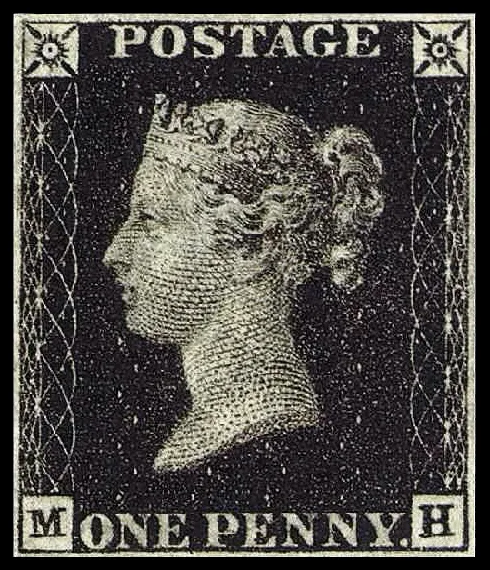
Penny Black (1840)
The world's first adhesive postage stamp, issued 6 May 1840 as part of Rowland Hill's Uniform Penny Post reform. Carries a young portrait of Queen Victoria by William Wyon.
Example Classic Postage Stamps
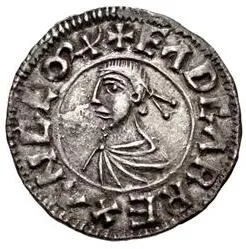
George III "Cartwheel" Penny (1797)
Struck by Matthew Boulton at Soho Mint, Birmingham — the first penny produced by steam-powered press, with its famous raised rim giving the "cartwheel" nickname.
Pre-Decimal British Coinage
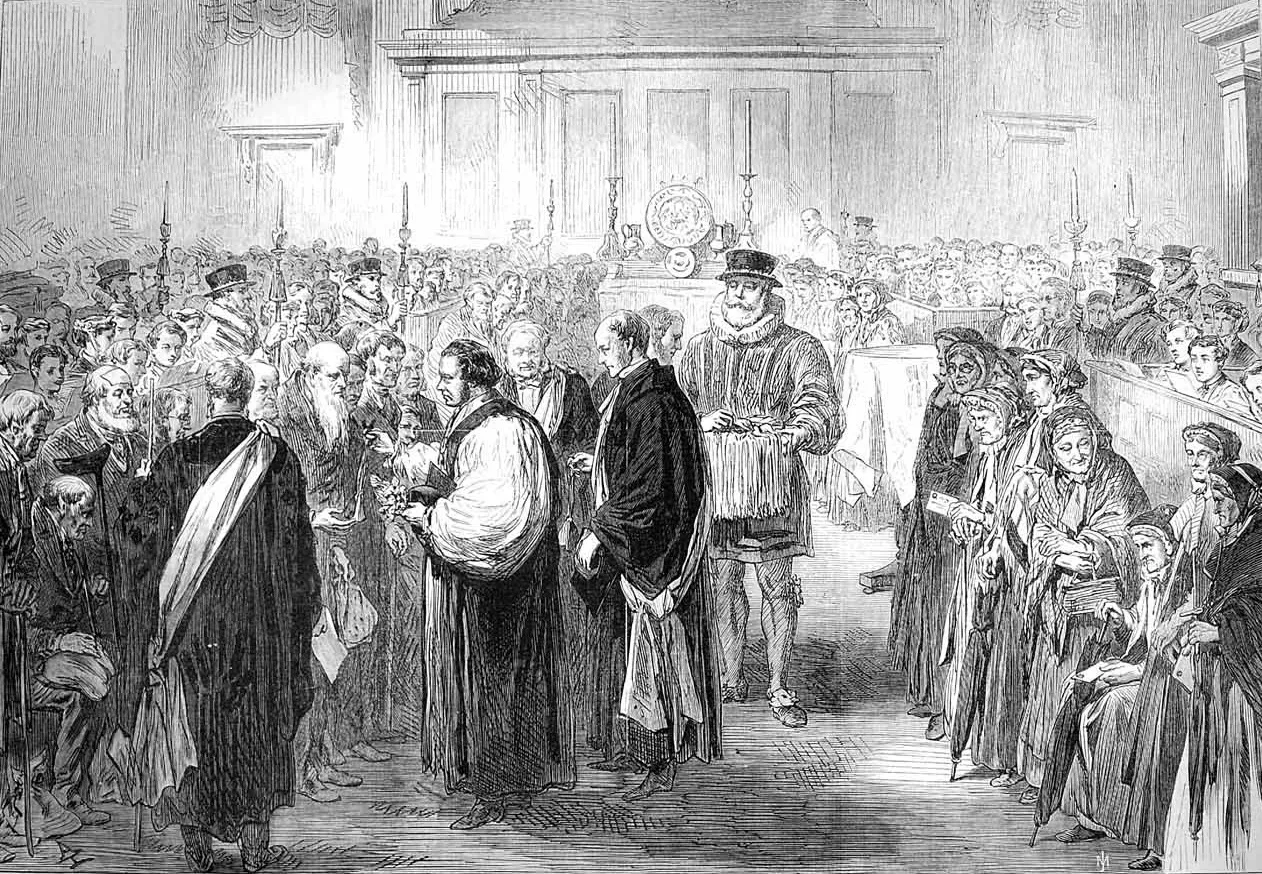
Charles II Maundy Money Set (1675)
A matched set of Maundy coins distributed by Charles II at the Royal Maundy ceremony — the oldest continuous Royal tradition in Britain.
Pre-Decimal British Coinage
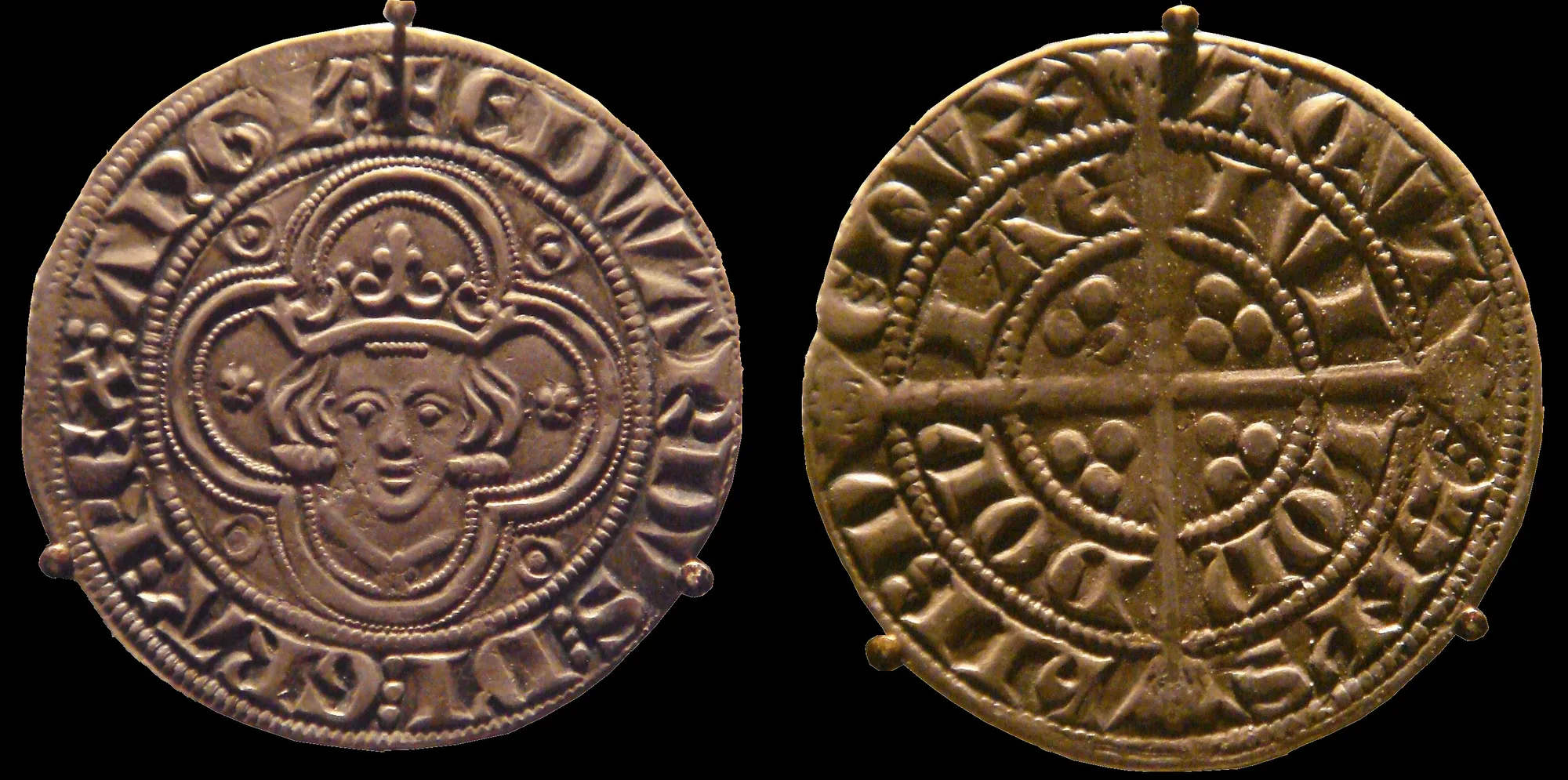
Elizabeth I Silver Groat (c. 1560)
A hammered silver groat from the Second Issue of Elizabeth I. The groat was equal to fourpence — a day's wage for a common labourer in Tudor England.
Pre-Decimal British Coinage
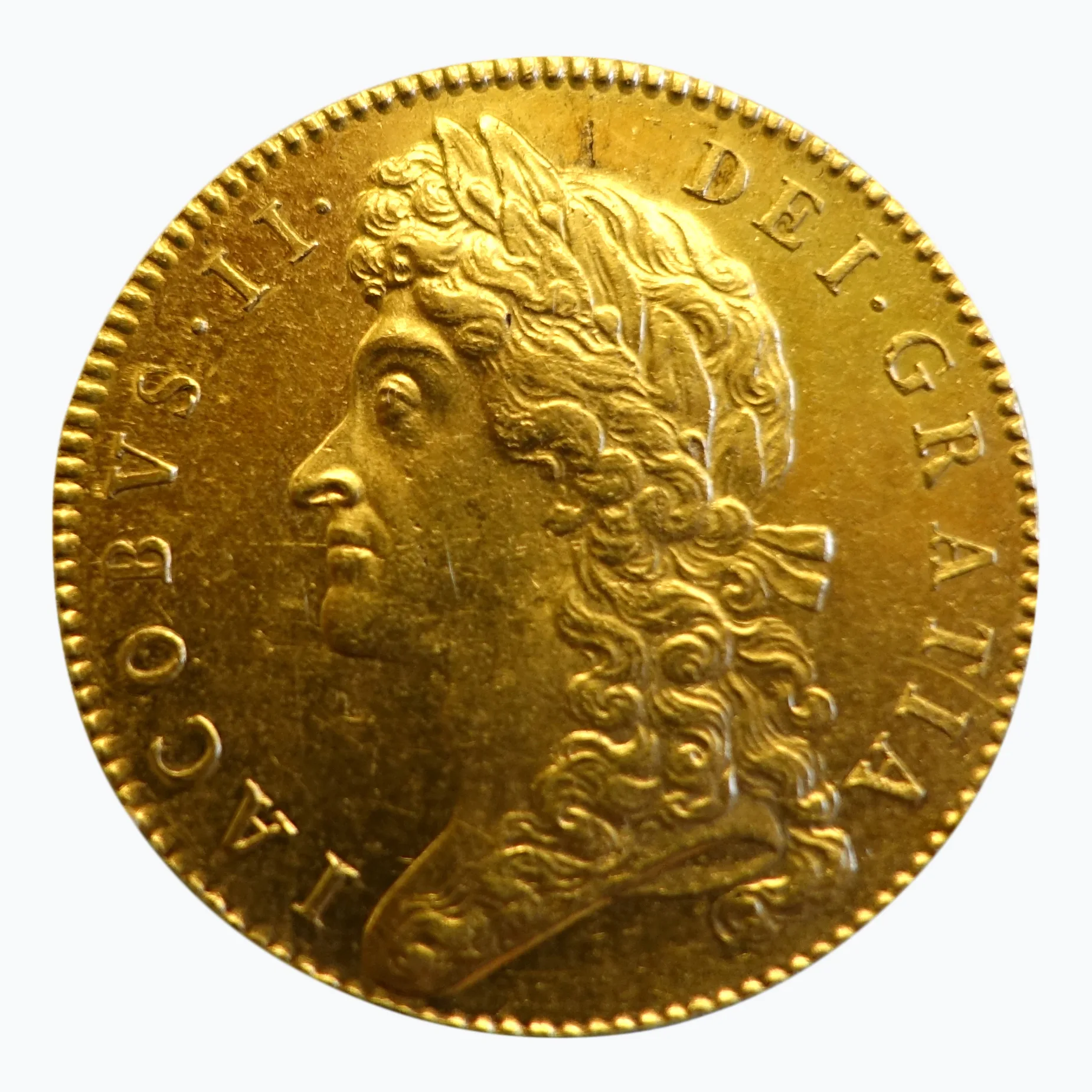
George III "Spade" Guinea (1787)
The last of the guinea denominations, nicknamed "spade" for the heart/spade-shape of its reverse shield. Replaced by the sovereign in 1817.
Pre-Decimal British Coinage
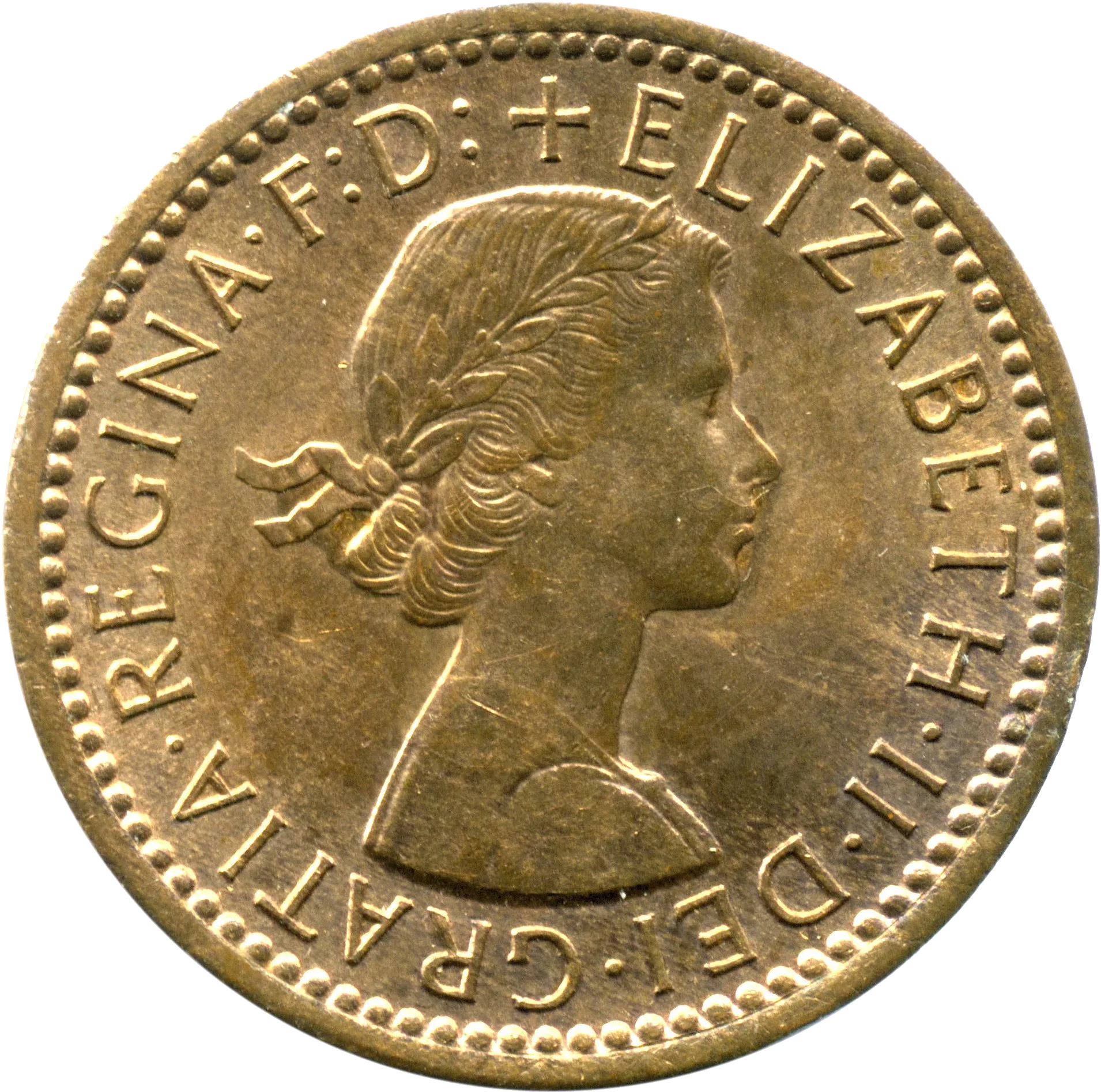
George V Farthing (1917)
A wartime farthing — by 1917 farthings were being blackened at the Mint to distinguish them at a glance from sovereigns.
Pre-Decimal British Coinage
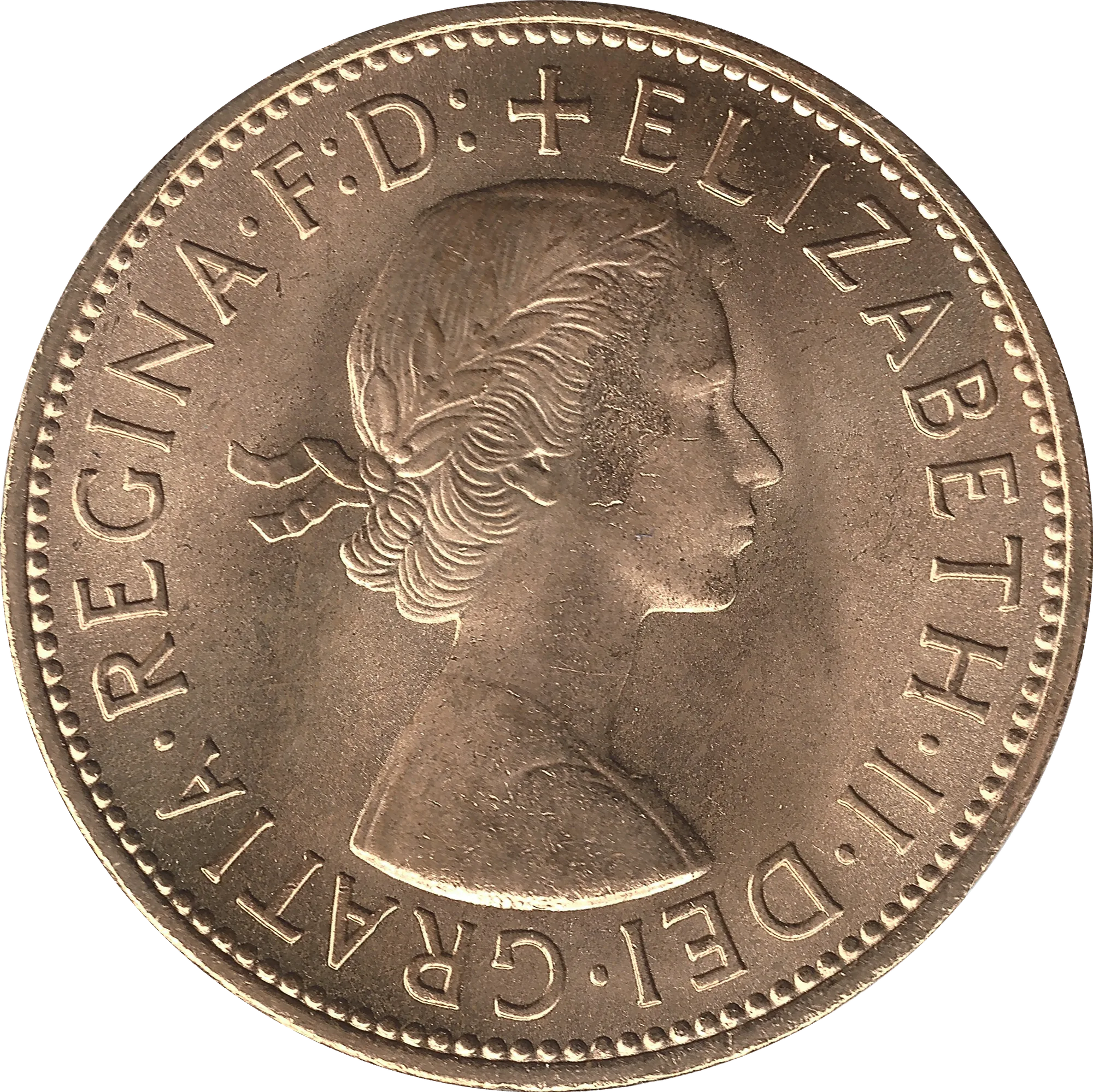
Edward VII Bronze Penny (1902)
First-year Edward VII penny with George William de Saulles's Britannia reverse. The 1902 penny is especially collected for its "Low Tide" and "High Tide" reverse varieties.
Pre-Decimal British Coinage
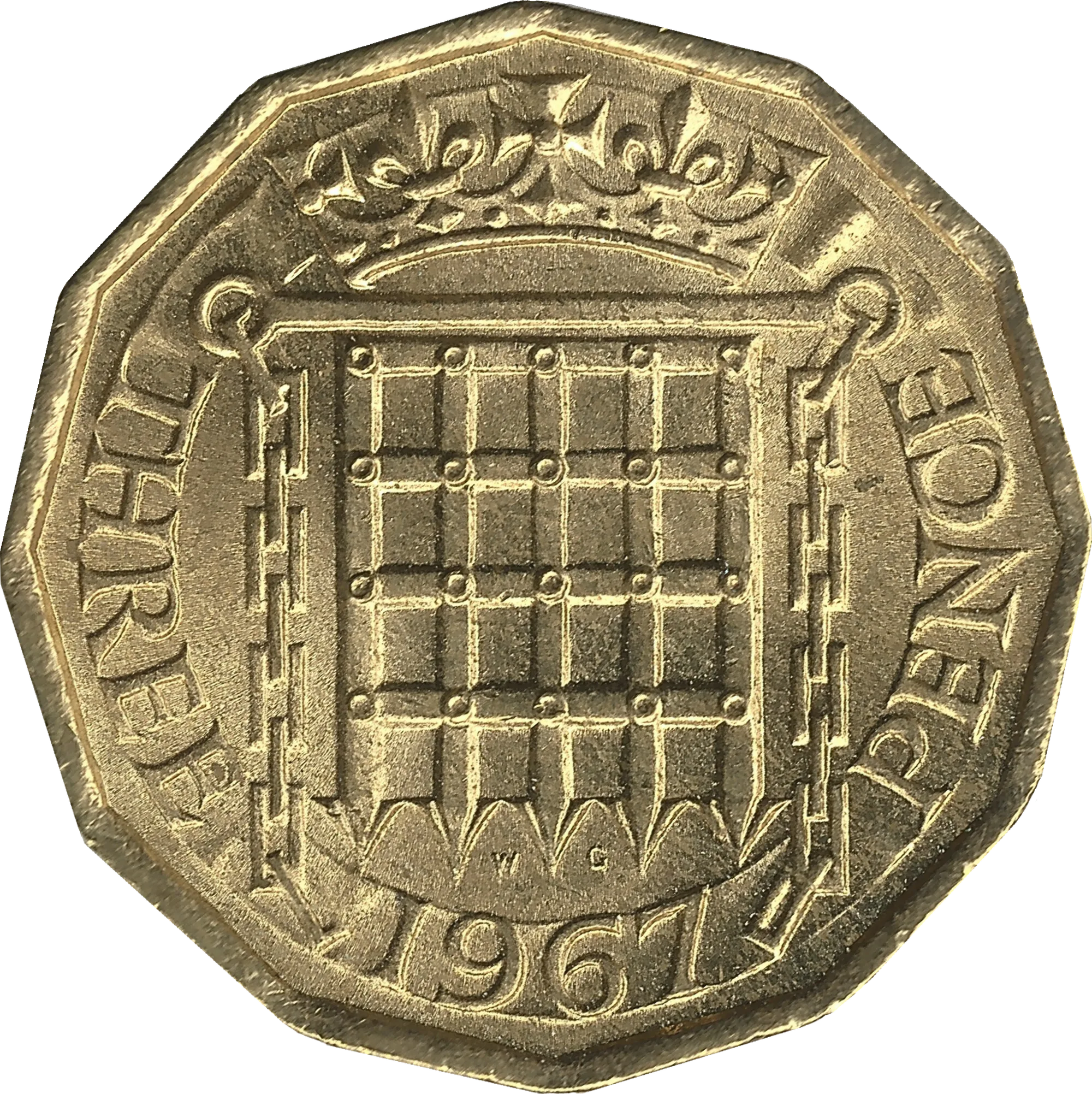
Victoria Threepence (1893 Old Head)
Old-Head Victorian threepence — by the 1890s these circulated alongside matching "Maundy" threepences of the same weight and finish.
Pre-Decimal British Coinage
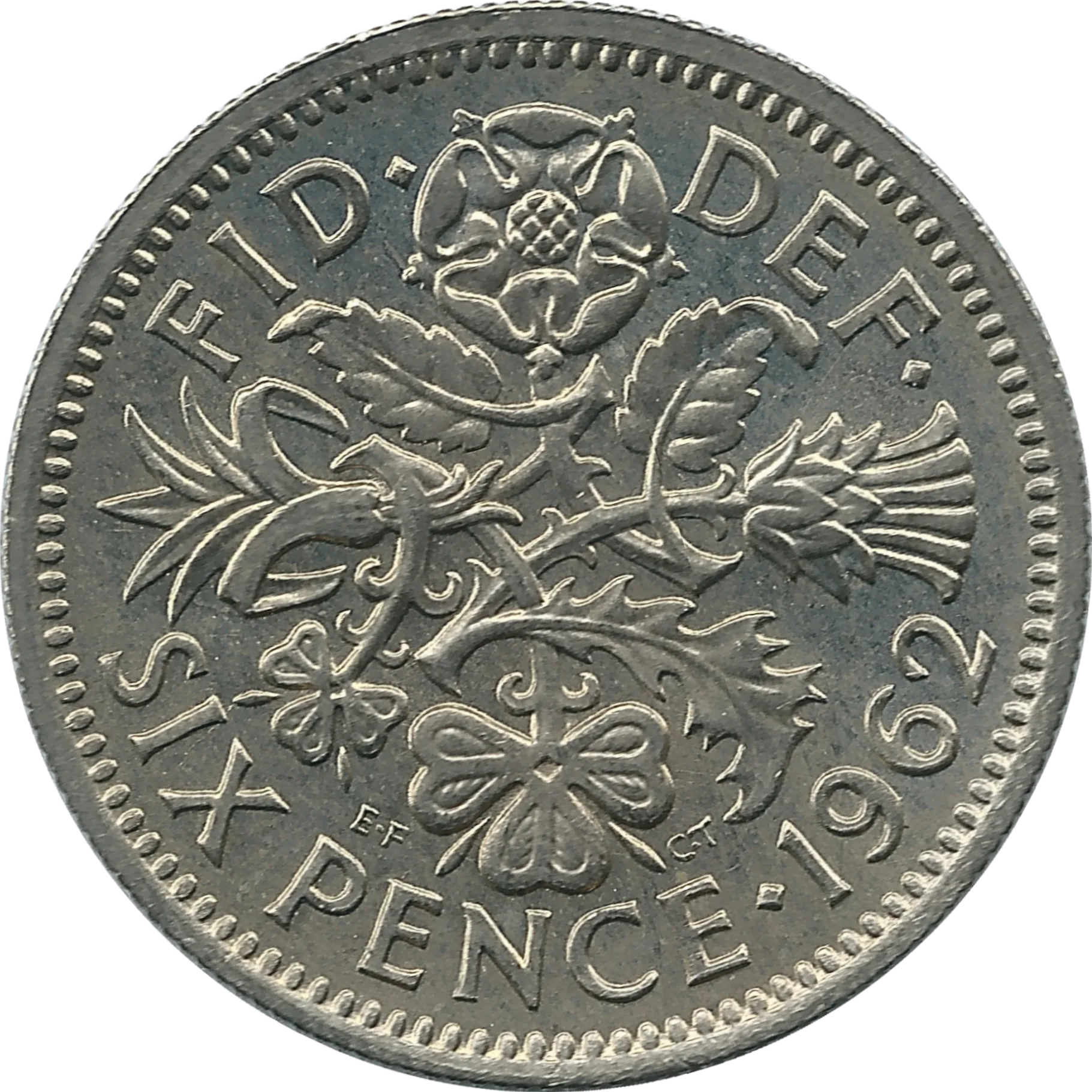
Queen Anne "Vigo" Sixpence (1703)
The obverse legend "VIGO" below the bust commemorates silver captured from Spanish treasure ships at the Battle of Vigo Bay, October 1702.
Pre-Decimal British Coinage
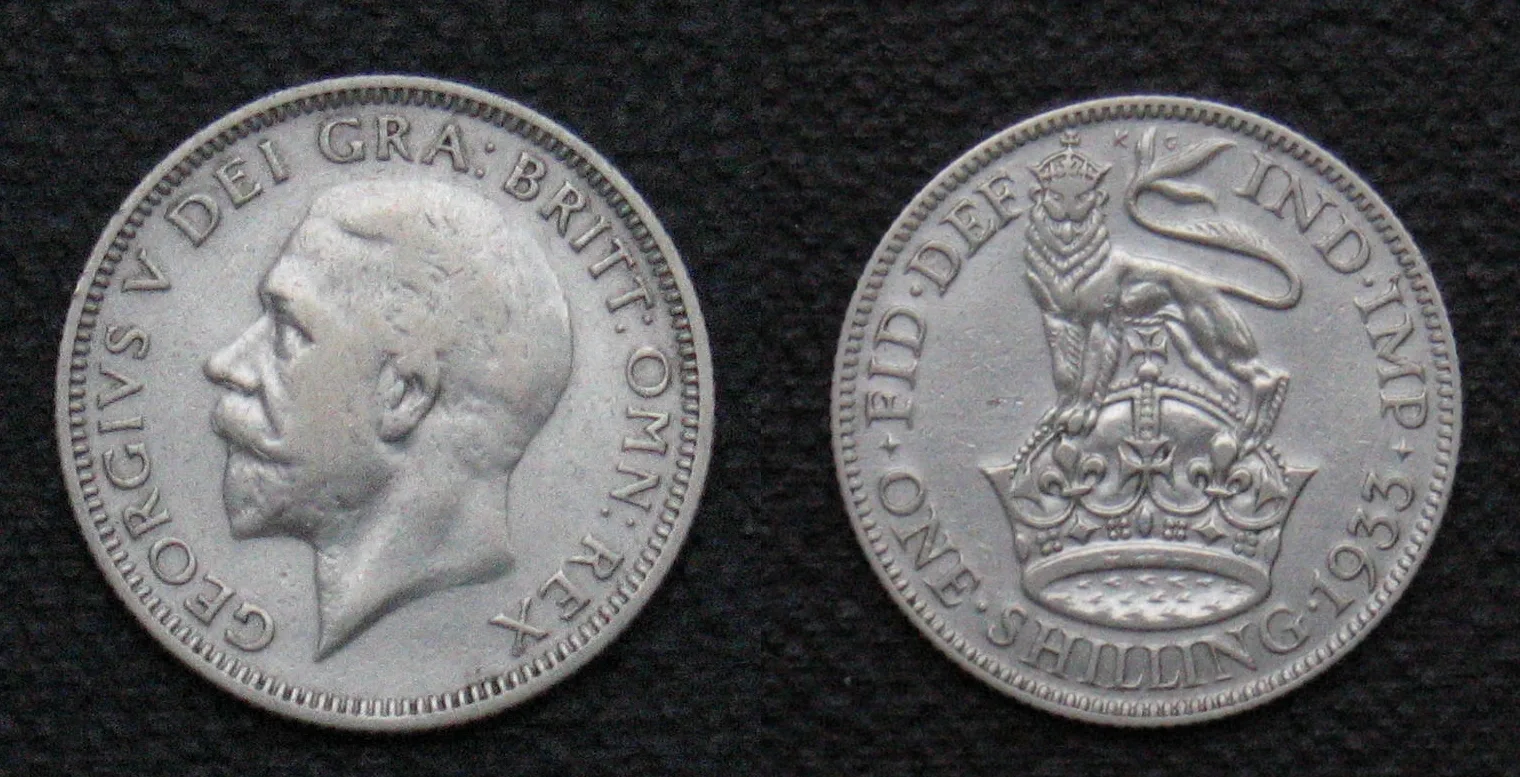
William III Shilling (1696)
Struck during the Great Recoinage of 1696, when Isaac Newton as Warden of the Mint oversaw the replacement of clipped hammered coinage.
Pre-Decimal British Coinage
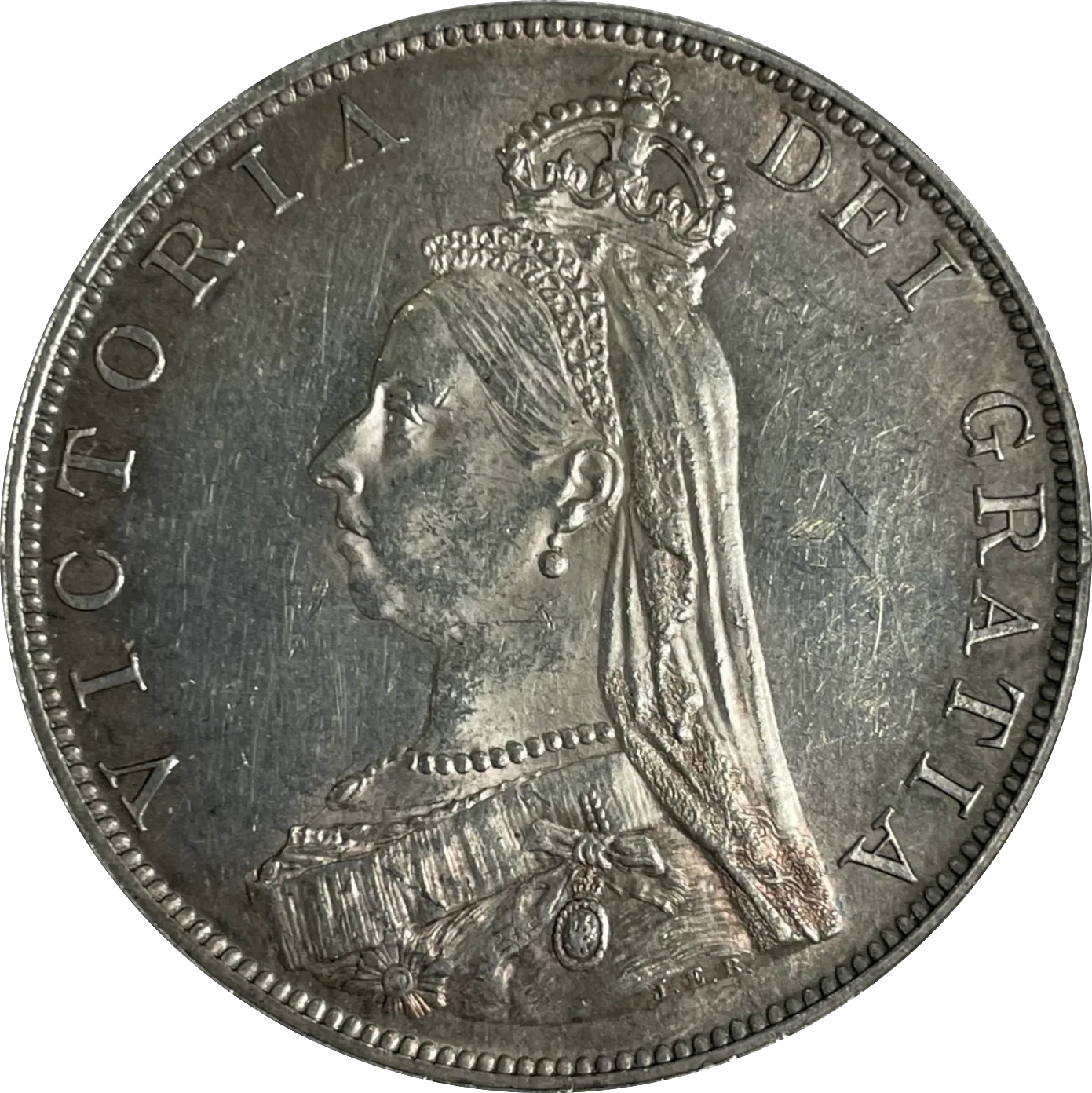
Victoria Double Florin (1887)
The short-lived four-shilling piece — one of the most unpopular Victorian denominations, struck for only four years between 1887 and 1890.
Pre-Decimal British Coinage
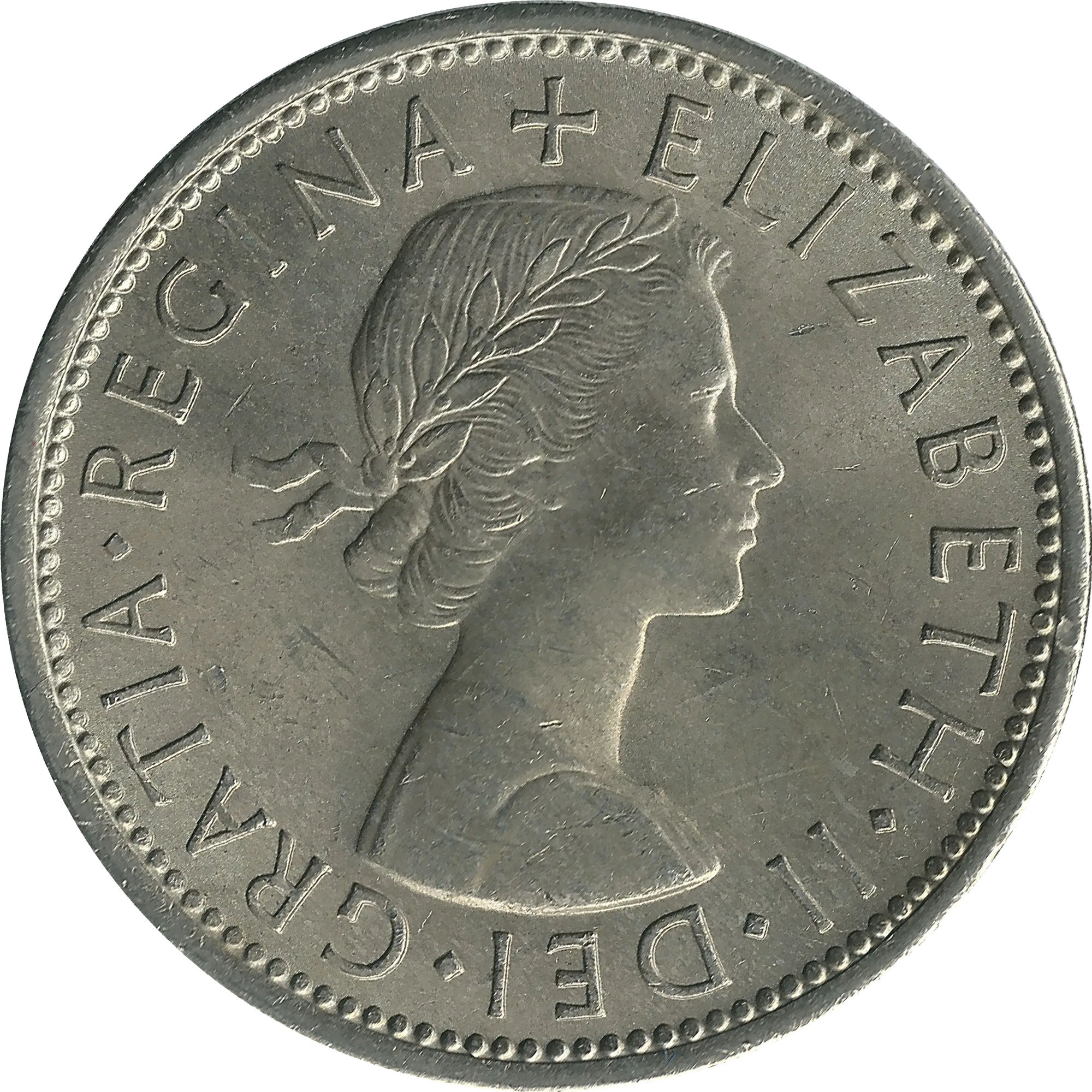
Victoria Jubilee Florin (1887)
First-year Jubilee portrait florin — the two-shilling piece, or one-tenth of a pound. Pre-Imperial "godless" florins were replaced by this design in 1887.
Pre-Decimal British Coinage
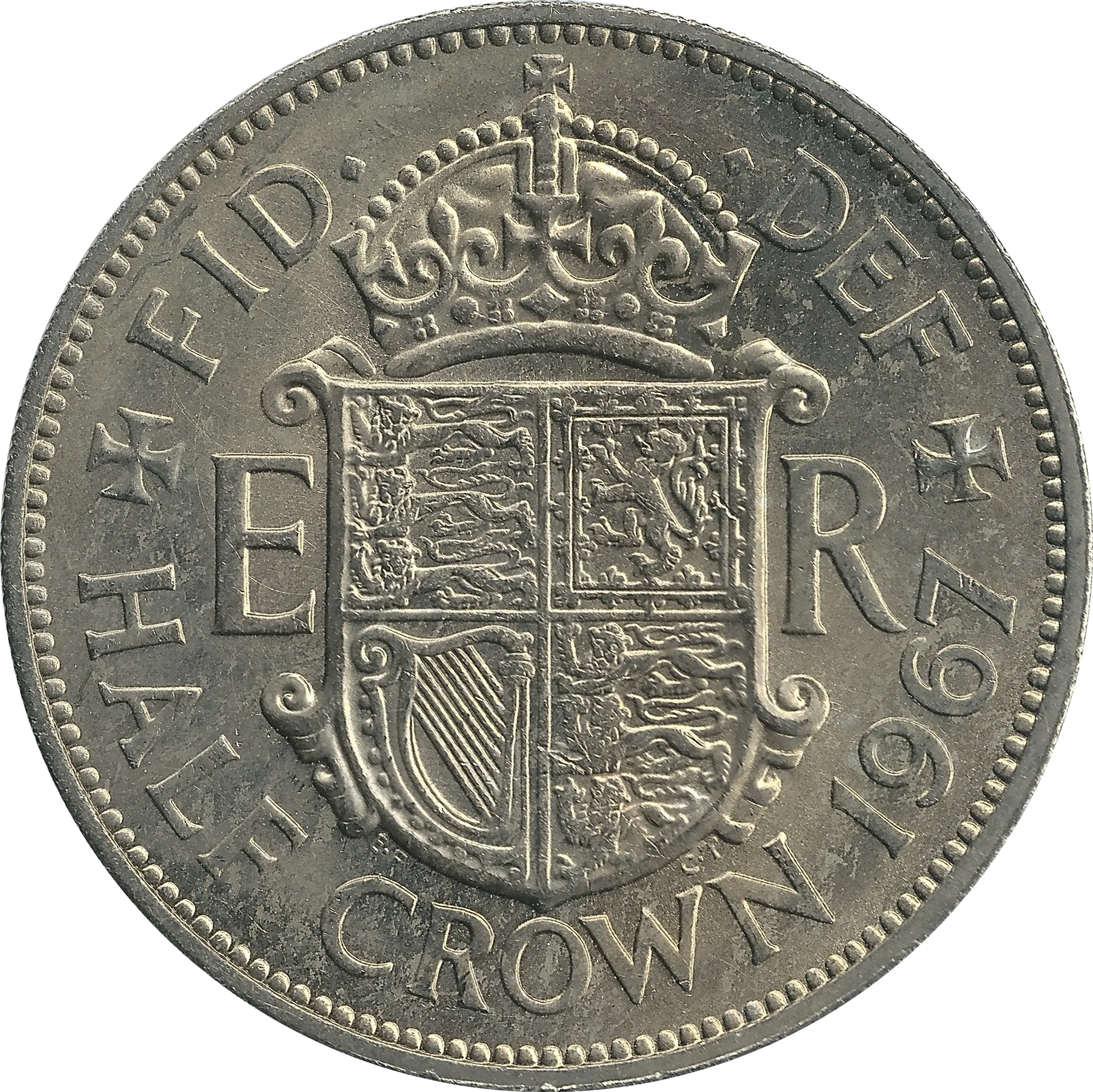
Victoria Half-Crown (1887 Jubilee)
Jubilee-portrait half-crown with the "spade" crown-and-garter reverse. A workhorse Victorian silver denomination in near-proof finish.
Pre-Decimal British Coinage
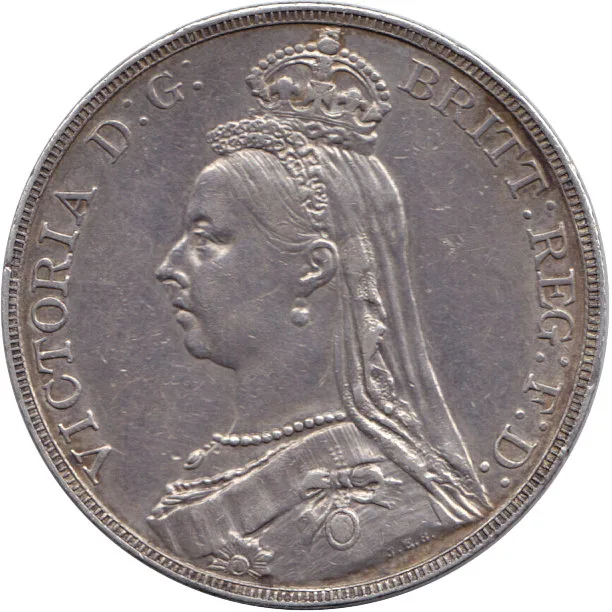
Victoria "Gothic" Crown (1847)
The celebrated "Gothic" pattern crown designed by William Wyon — widely considered the finest British silver coin ever struck. Only 8,000 pieces issued to collectors.
Pre-Decimal British Coinage
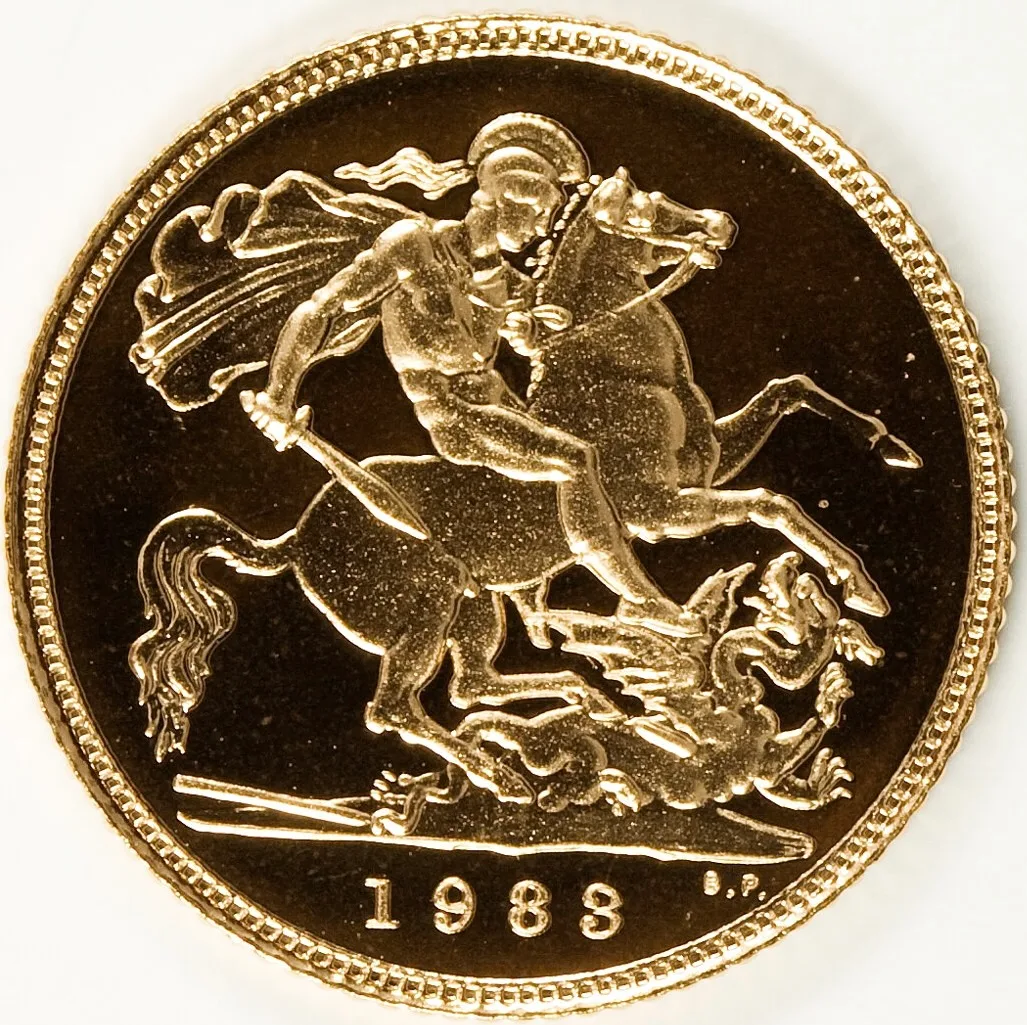
Victoria Half-Sovereign (1892)
Jubilee-head half-sovereign struck at the Royal Mint. The reverse carries a crowned shield rather than the Pistrucci St George.
Pre-Decimal British Coinage
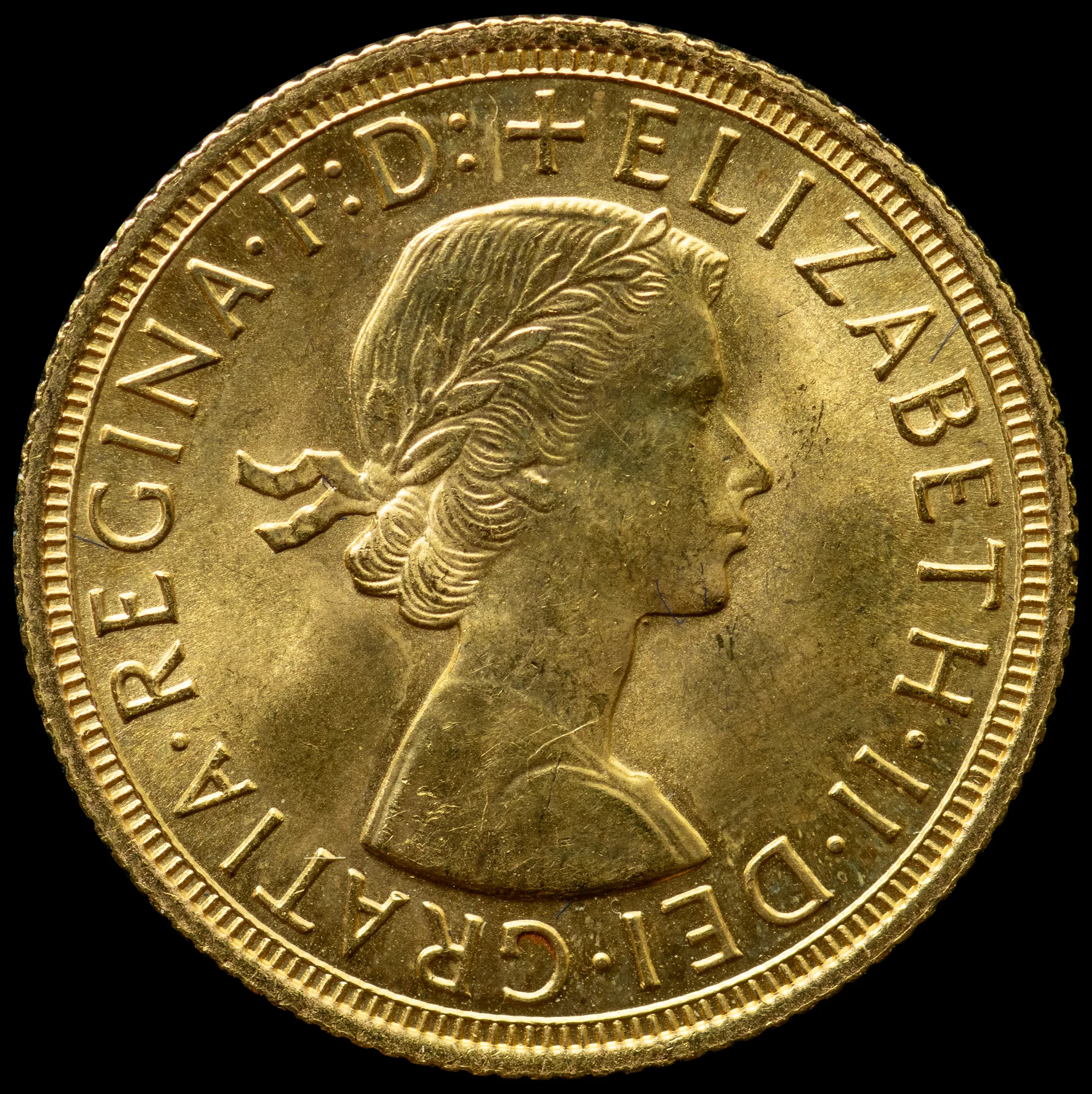
Victoria Gold Sovereign (1887 Jubilee)
Jubilee-head gold sovereign struck at the Royal Mint, Tower Hill, to mark Queen Victoria's Golden Jubilee. Reverse by Benedetto Pistrucci (St George and the Dragon).
Pre-Decimal British Coinage
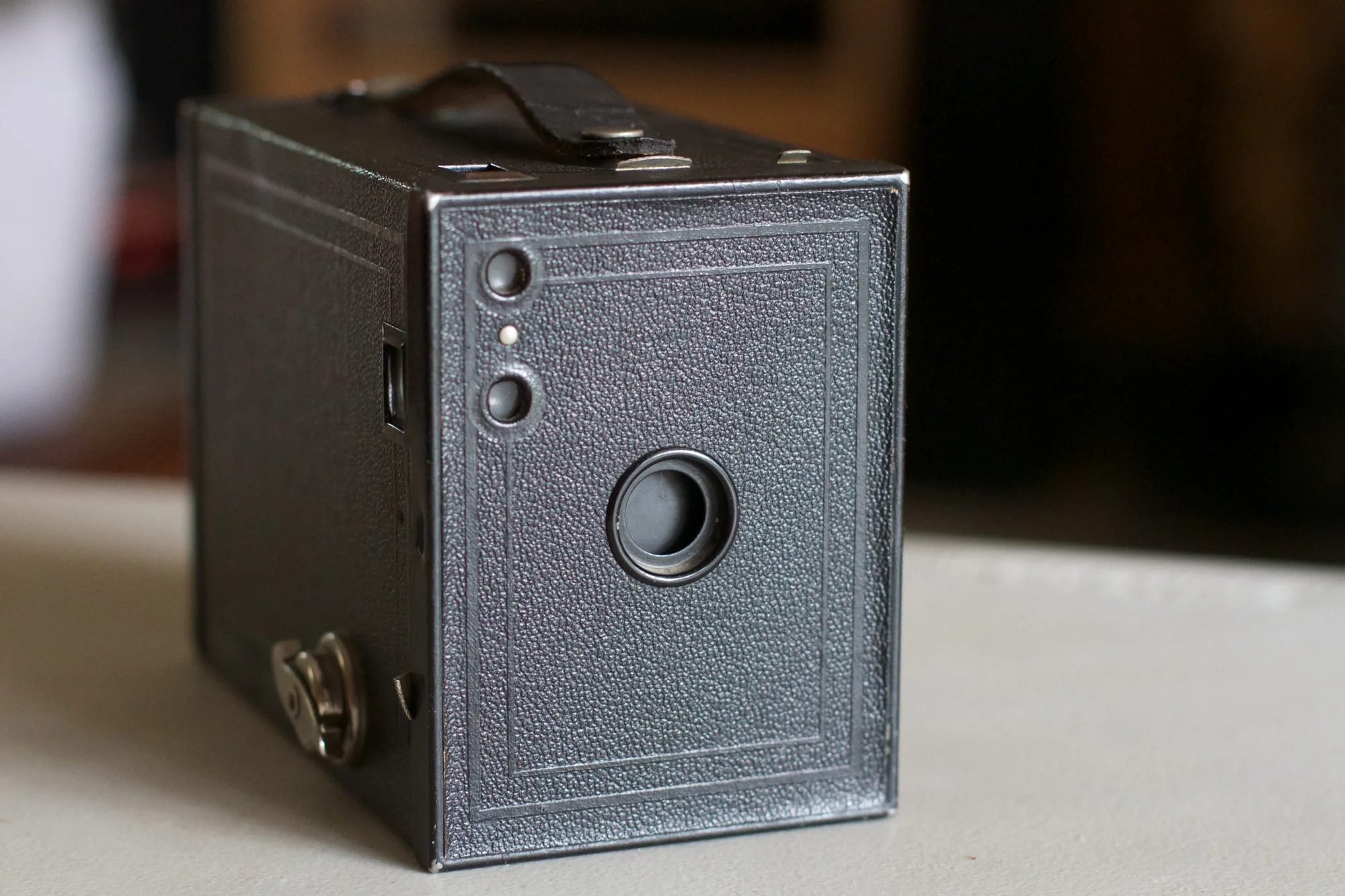
Kodak No. 2 Brownie (c. 1910)
The camera that democratised photography — a million units sold between 1901 and 1935 at $2 each, each taking six 2¼ × 3¼ in exposures on 120 film.
Example Vintage Cameras Collection
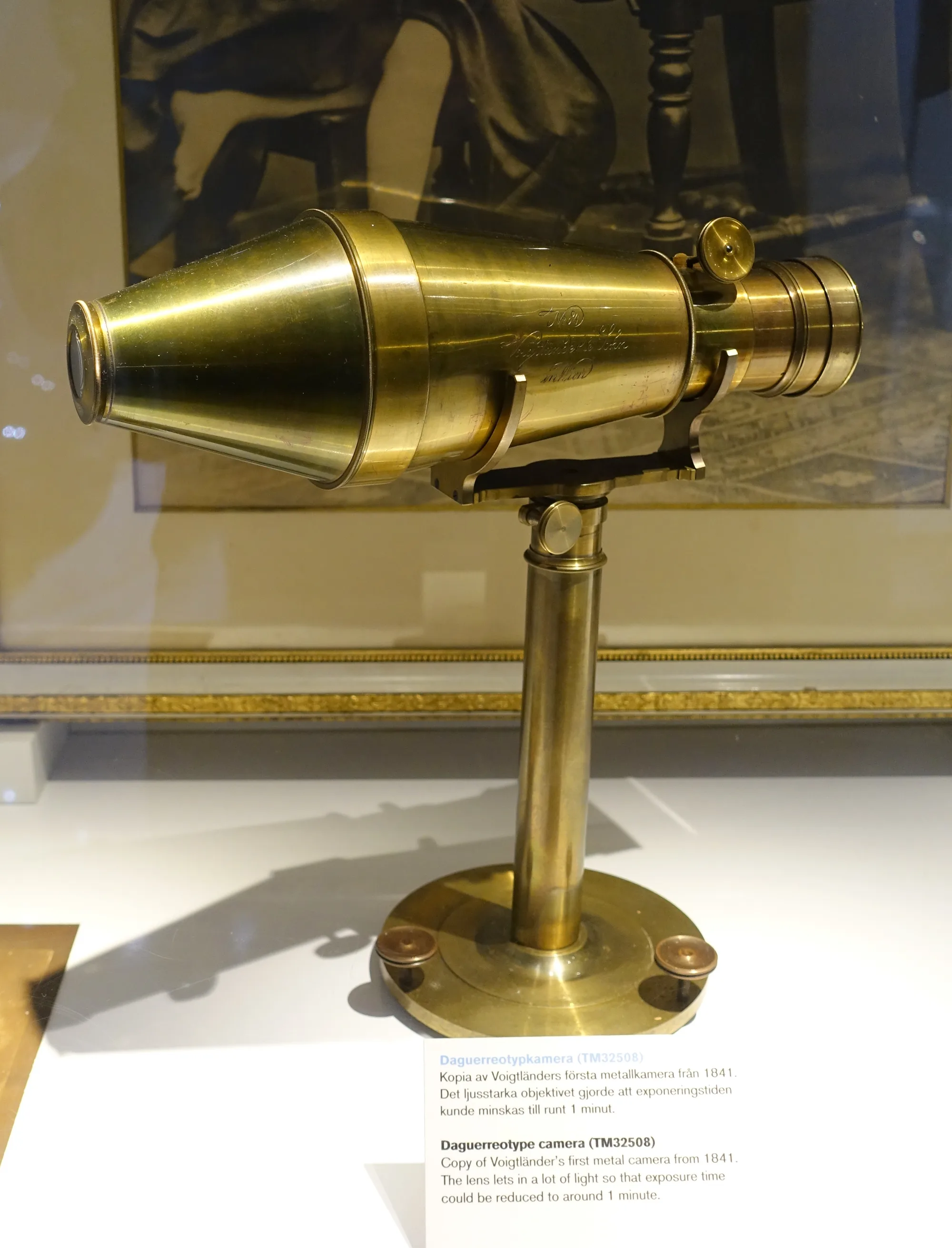
Voigtländer Bessa R2M (2006)
Cosina's homage to the all-mechanical Leica M rangefinder, offering an M-bayonet at a fraction of Leitz pricing.
Example Vintage Cameras Collection
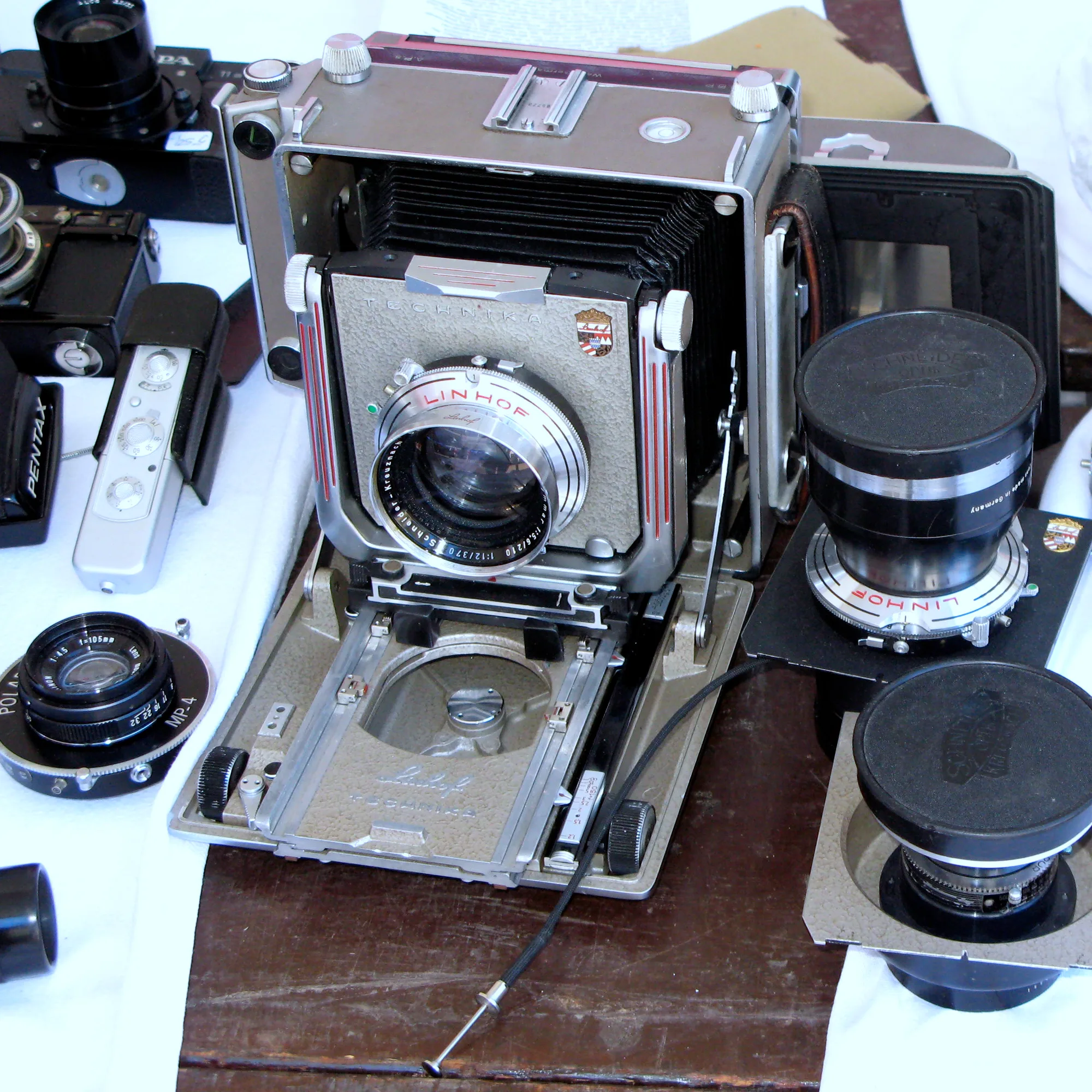
Linhof Technika IV (c. 1960)
The Technika is the professional's folding technical camera — rangefinder-coupled, with extensive movements and interchangeable backs.
Example Vintage Cameras Collection
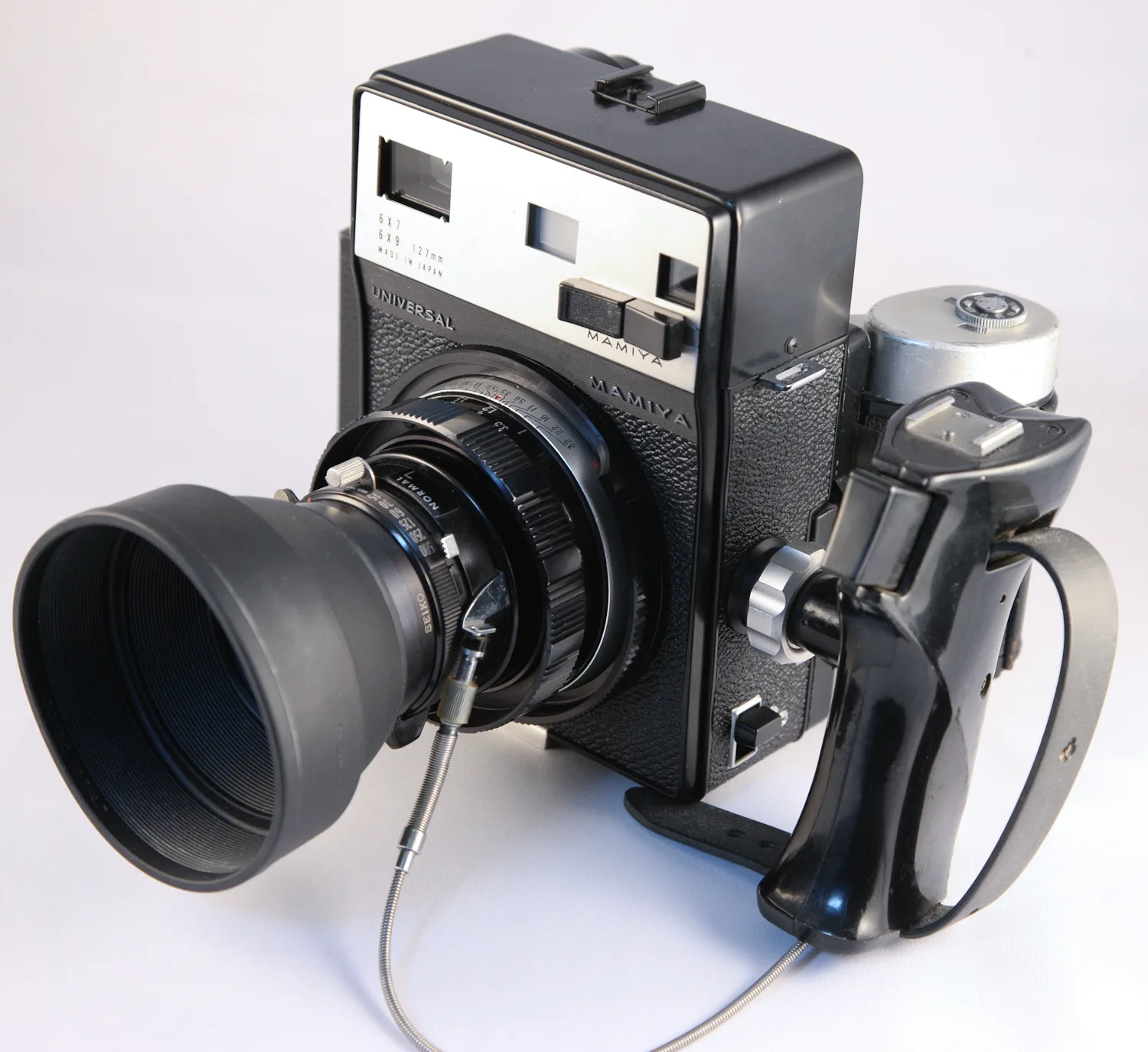
Mamiya Press Super 23 (1967)
Modular Japanese press camera capable of 6×7, 6×9 and sheet-film backs, with a rugged bellows front.
Example Vintage Cameras Collection
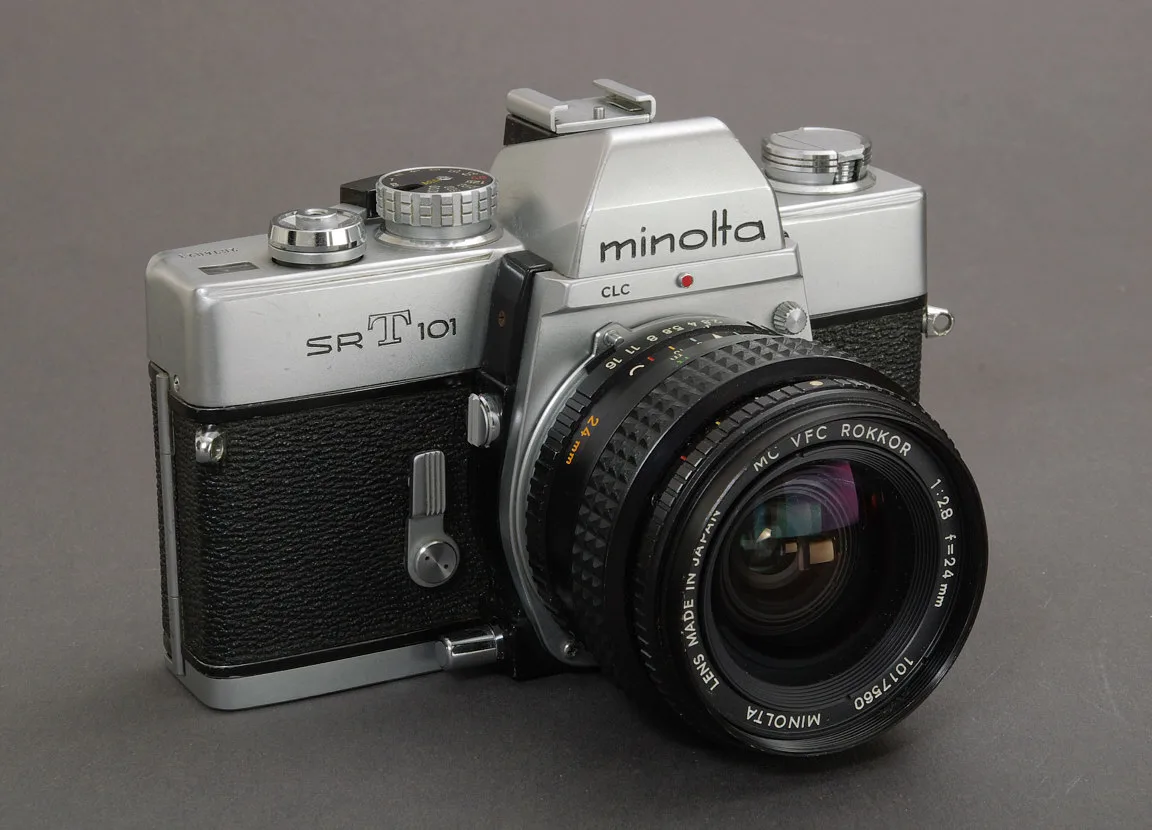
Minolta SR-T 101 (1966)
Ground-breaking SLR that introduced Minolta's CLC (Contrast Light Compensator) metering — the first widely-marketed centre-weighted dual-cell TTL system.
Example Vintage Cameras Collection
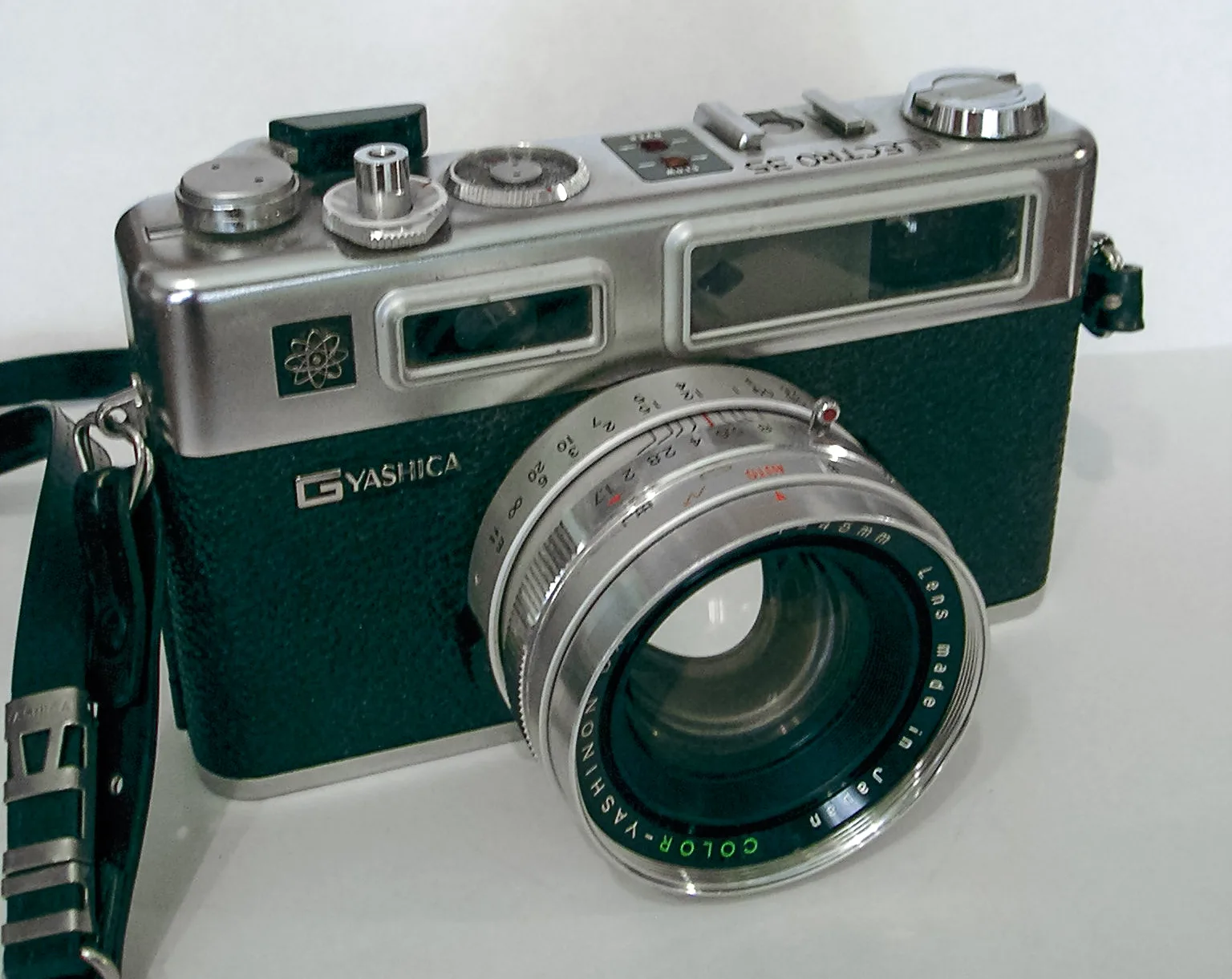
Yashica Mat-124G (1970)
Affordable Japanese TLR that offered the TLR experience at a fraction of Rolleiflex pricing through the 1970s.
Example Vintage Cameras Collection
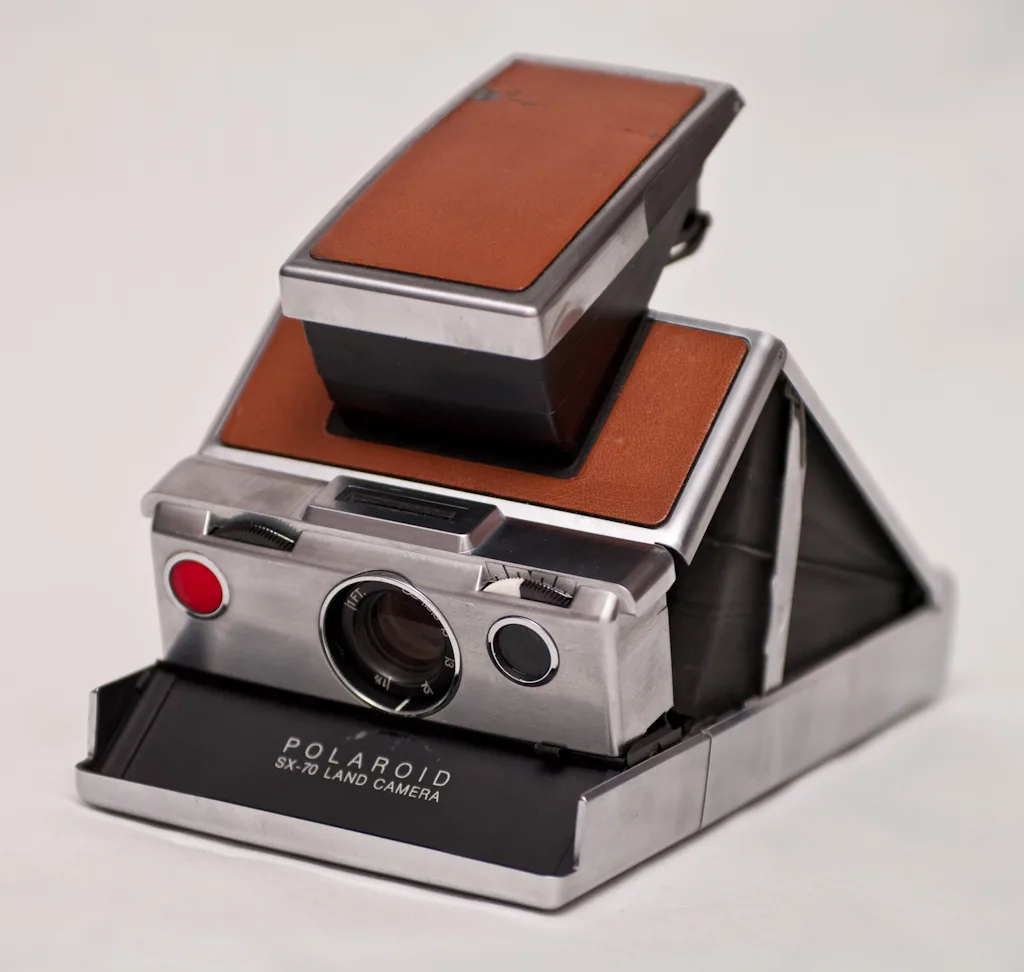
Polaroid SX-70 Alpha 1 (1974)
Edwin Land's audacious folding single-lens-reflex instant camera — a technical tour-de-force of integrated mechanical and chemical engineering.
Example Vintage Cameras Collection
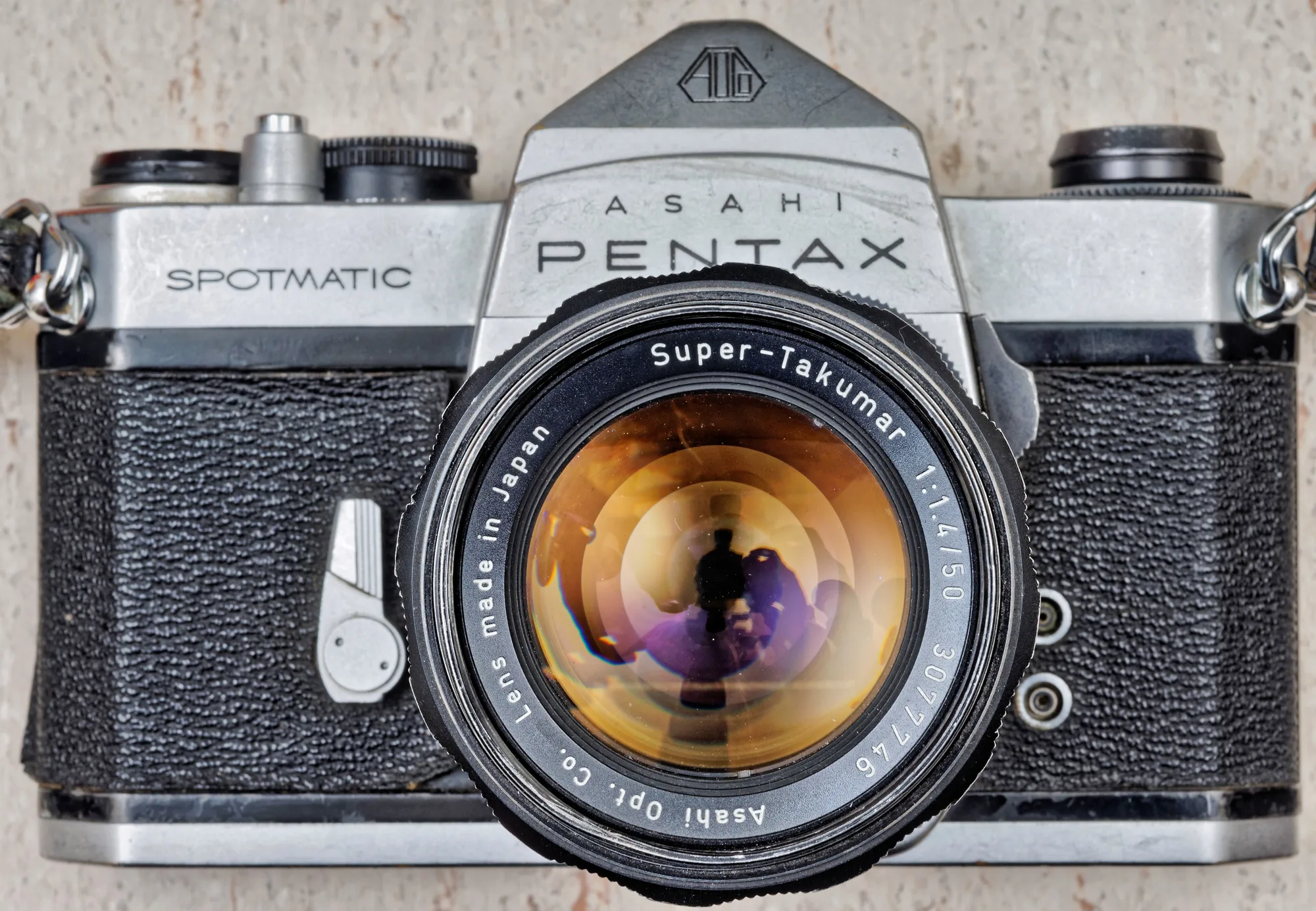
Asahi Pentax Spotmatic SP (1966)
Pentax's first TTL-metering SLR; the Takumar lens introduced the legendary thorium-doped elements of later variants.
Example Vintage Cameras Collection
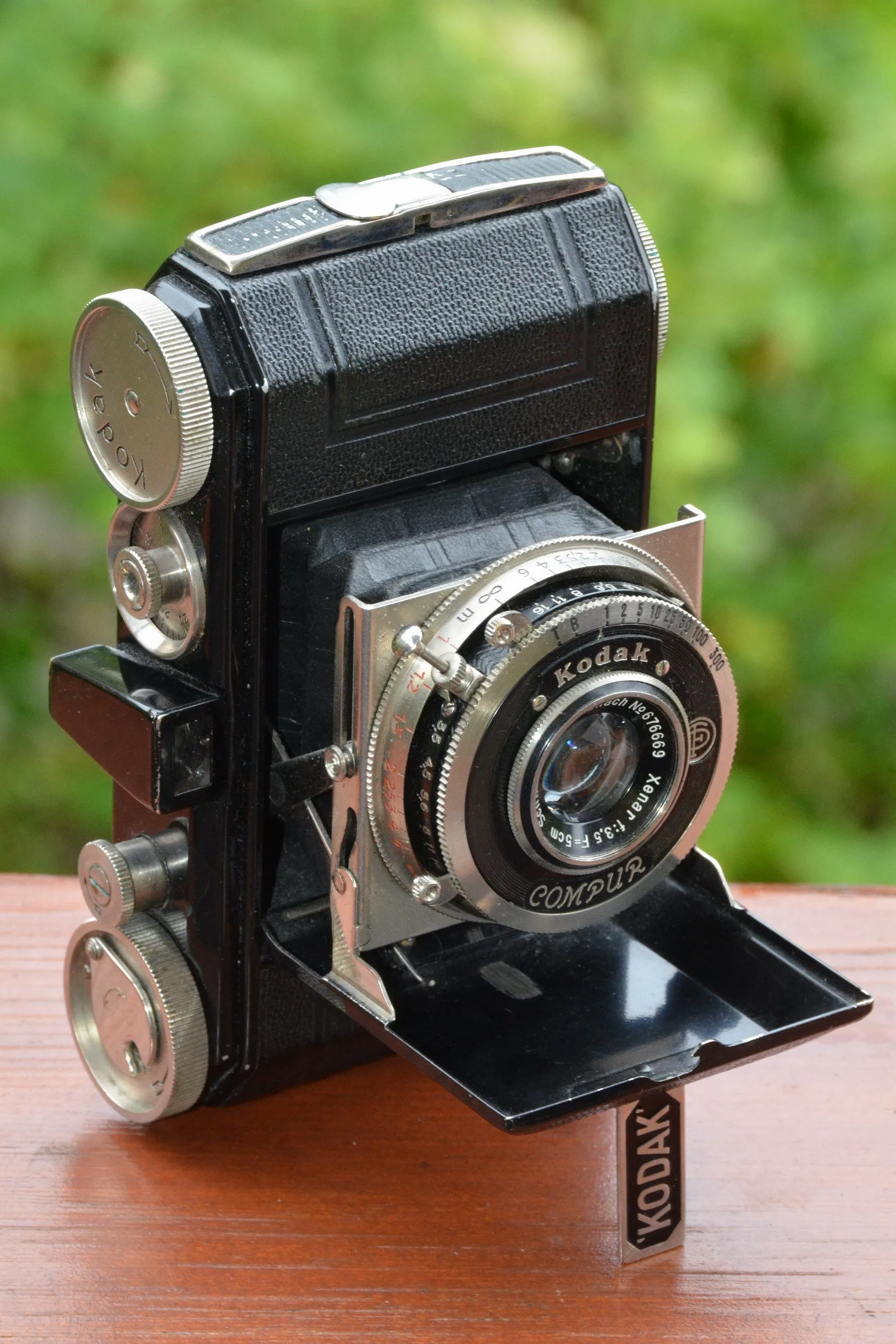
Kodak Retina IIIc (1954)
German-built folding Retina with coupled rangefinder and matching-accessory 35 mm / 80 mm front lens cells.
Example Vintage Cameras Collection
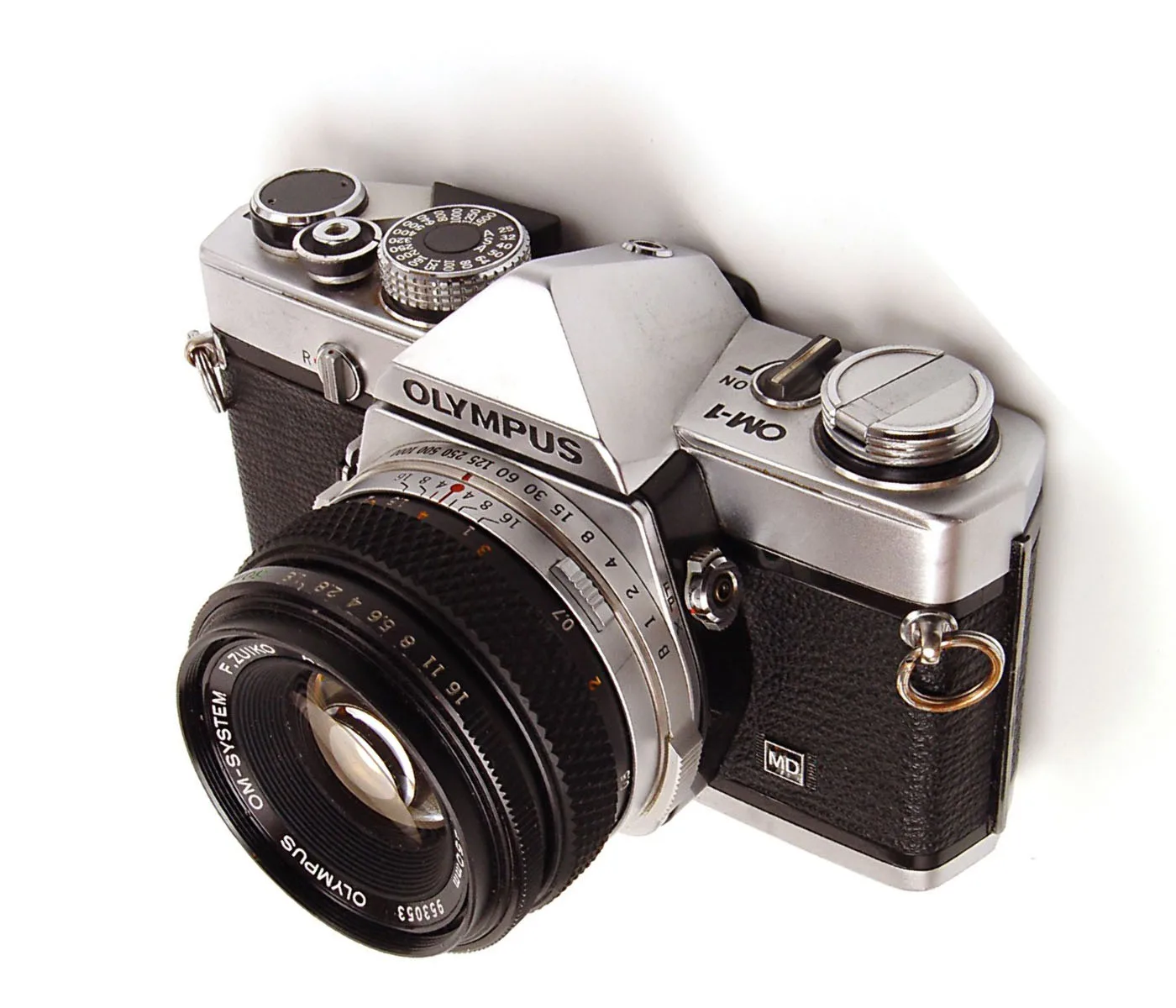
Olympus OM-1n (1979)
Yoshihisa Maitani's landmark compact SLR, credited with forcing rivals to shrink their own designs through the 1970s.
Example Vintage Cameras Collection
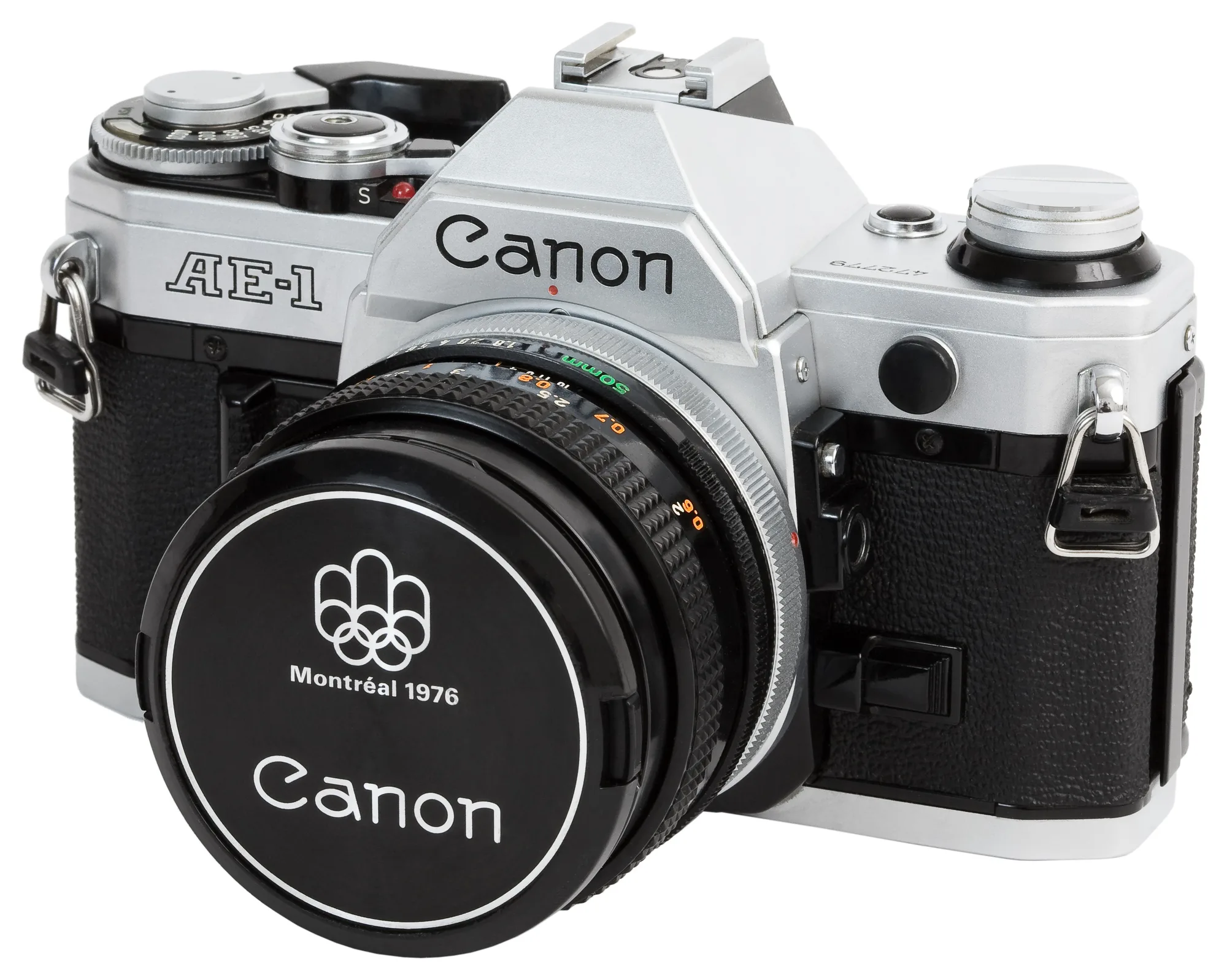
Canon AE-1 with FD 50 mm f/1.8 (1976)
The first commercially successful microprocessor-controlled SLR; Canon sold over a million AE-1s before the introduction of the AE-1 Program.
Example Vintage Cameras Collection
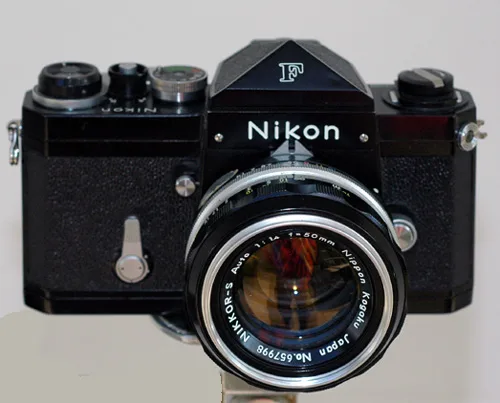
Nikon F Photomic (1962)
The camera that established Nikon as a professional brand. Body with later Photomic TN CdS-metering finder and Nikkor-S 50 mm f/1.4 lens.
Example Vintage Cameras Collection

Hasselblad 500C/M (c. 1975)
Classic Hasselblad 500C/M body with A12 back and Zeiss Planar 80 mm f/2.8 C T* lens.
Example Vintage Cameras Collection
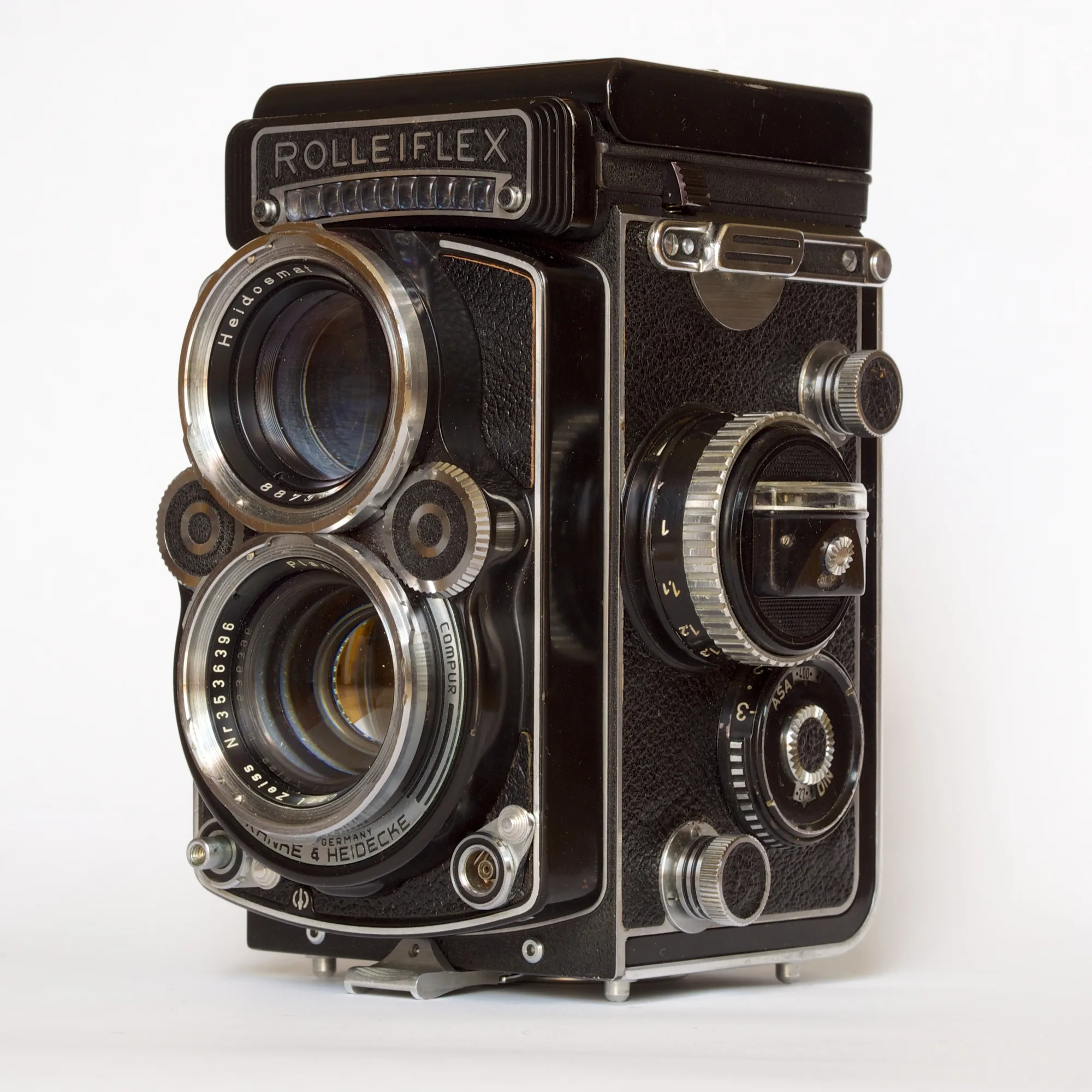
Rolleiflex 2.8F (1960)
Franke & Heidecke Rolleiflex 2.8F with Zeiss Planar 80 mm f/2.8 taking lens. Produces 6 × 6 cm square negatives on 120 roll film.
Example Vintage Cameras Collection
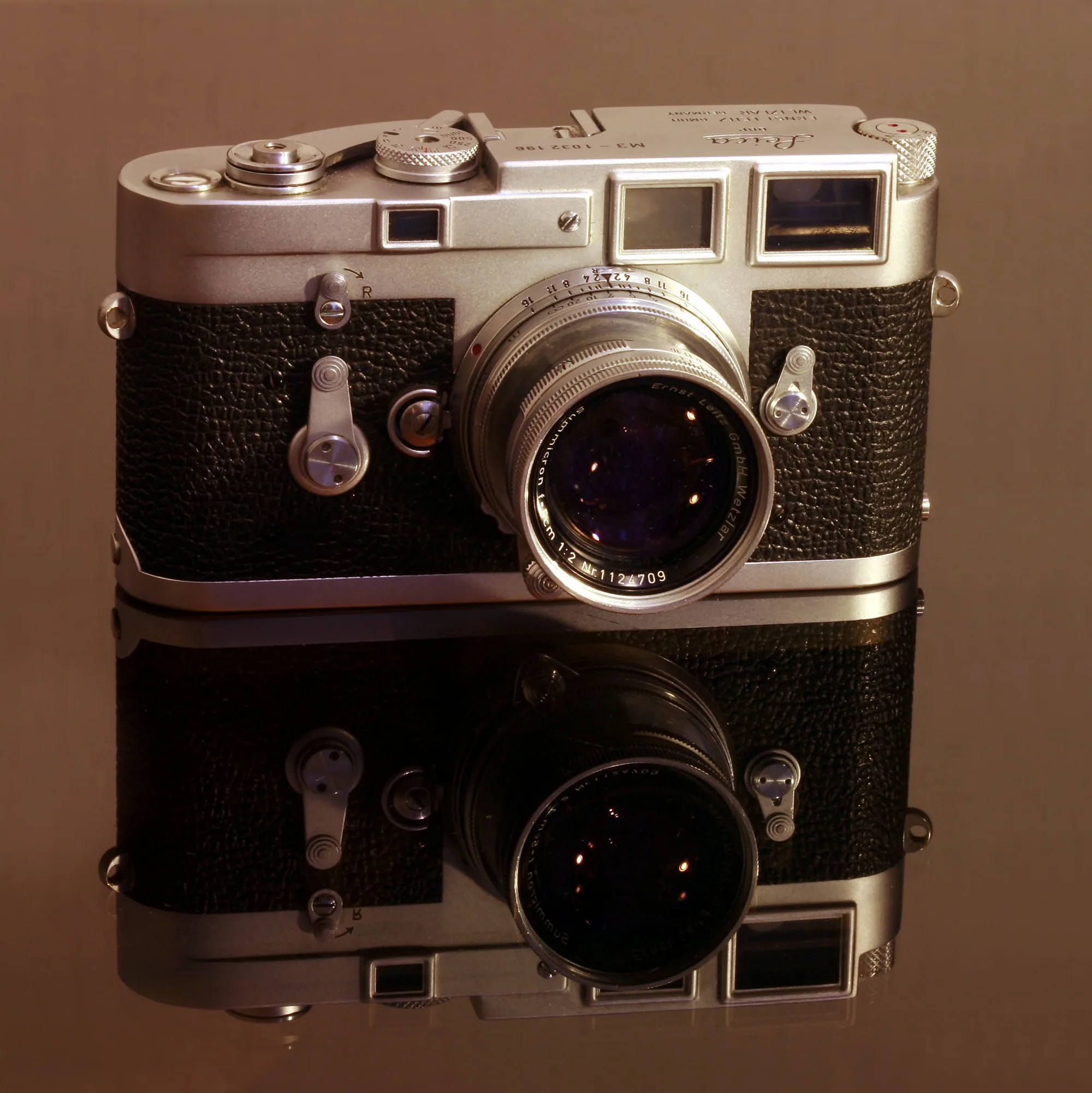
Leica M3 (1954)
Double-stroke Leica M3 with matching Summicron 50 mm f/2 collapsible lens. The M3 introduced the now-ubiquitous M-bayonet mount and parallax-corrected bright-line finder.
Example Vintage Cameras Collection
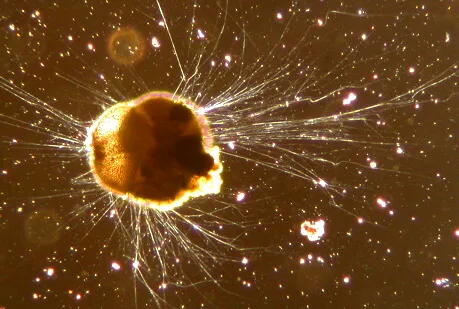
Star Sand (Foraminifera) from Okinawa
Star-shaped single-celled organism tests (Baculogypsina sphaerulata and Calcarina spp.) sieved from beach sand on Taketomi Island.
Example Natural History Collection
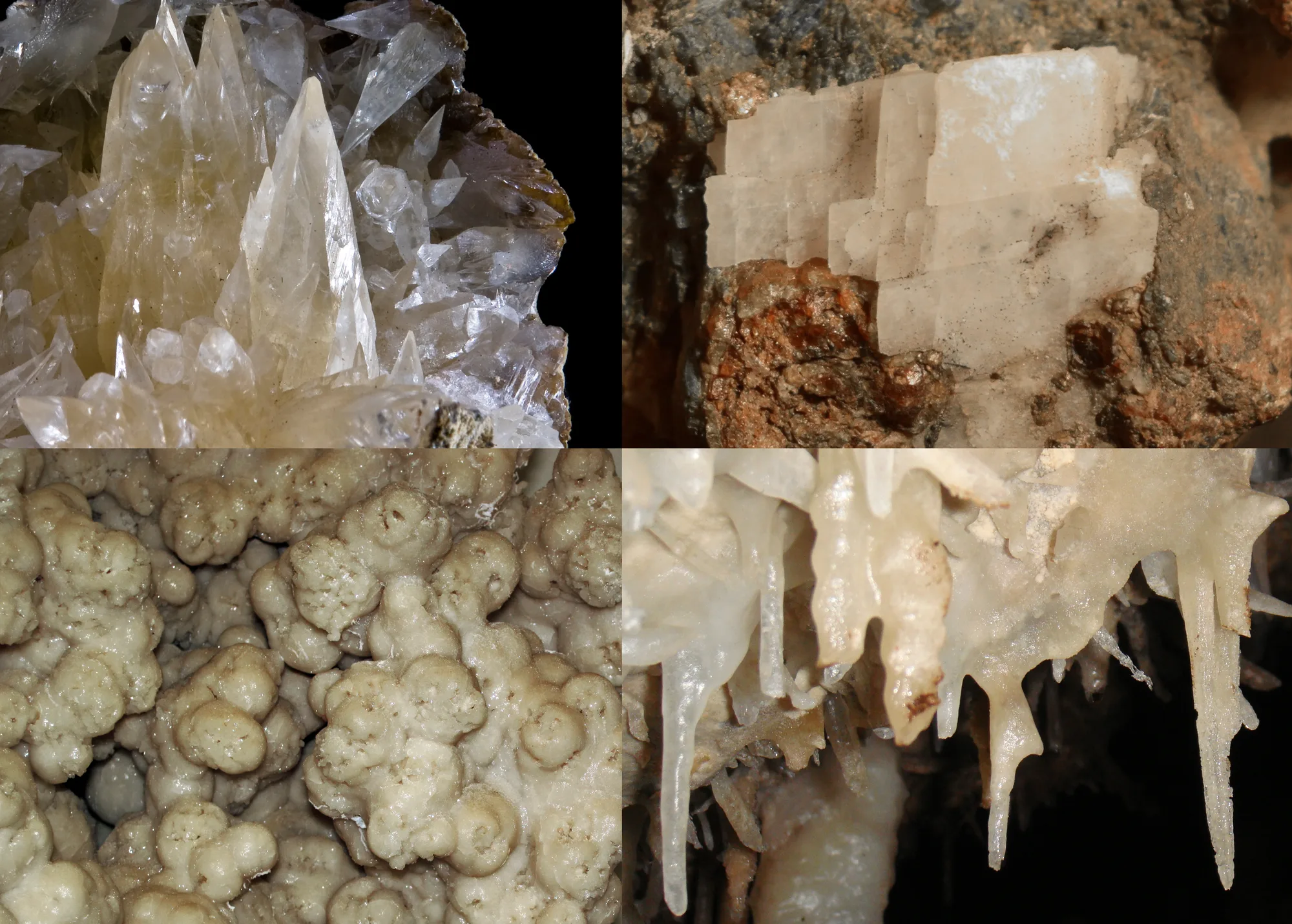
Calcite on Sphalerite
Scalenohedral calcite crystals (dogtooth spar) perched on a bed of dark-brown sphalerite, from the Tri-State Mining District.
Example Natural History Collection
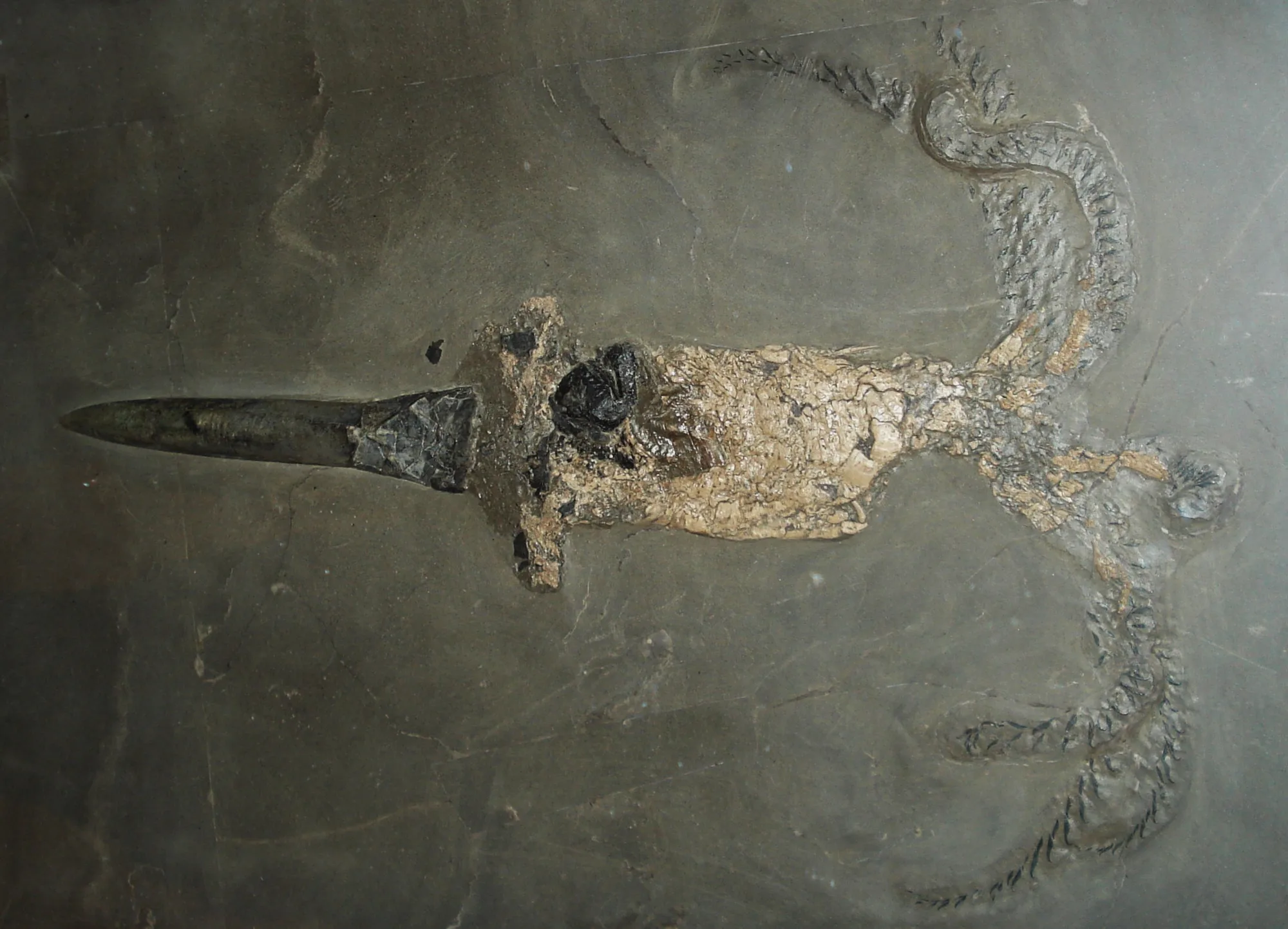
Belemnite Guards (Cylindroteuthis puzosiana)
Three bullet-shaped belemnite guards from the Kimmeridge Clay of the Dorset coast.
Example Natural History Collection
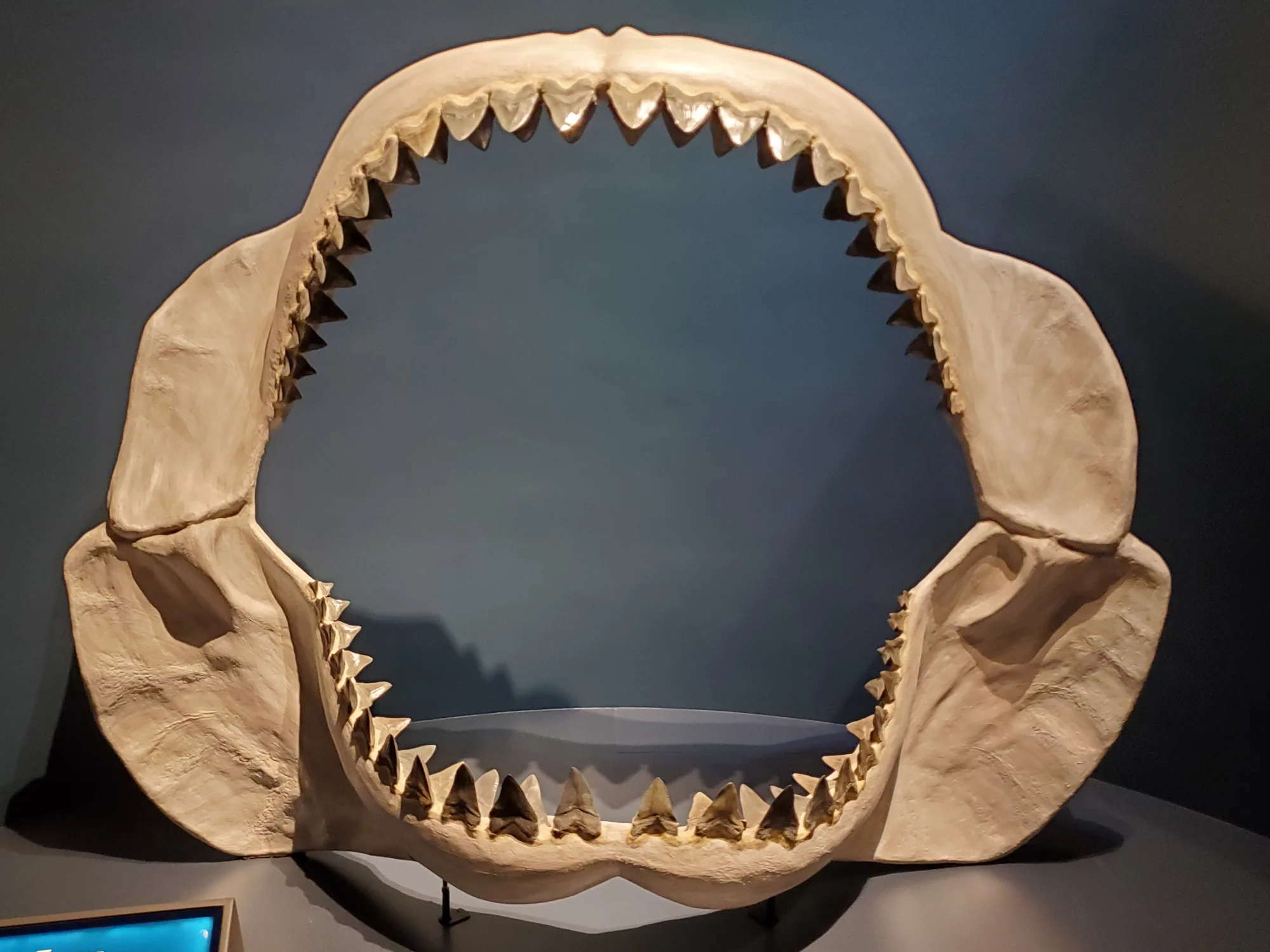
Megalodon Shark Tooth (Otodus megalodon)
A 120 mm slant-height tooth from the largest macropredator of the Cenozoic, with serrated cutting edges intact.
Example Natural History Collection
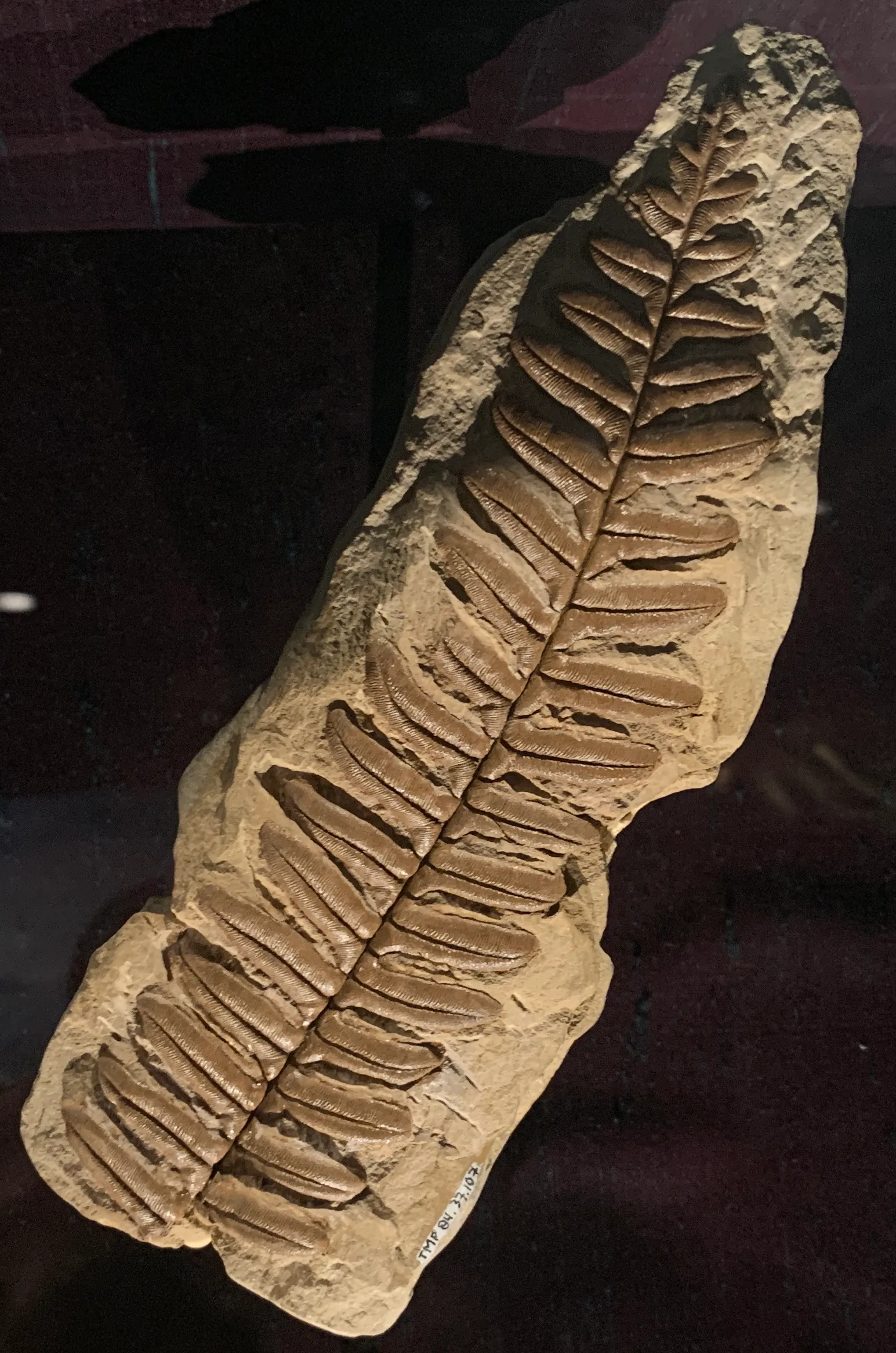
Alethopteris Fern Fossil
Pinnate fern-like fronds preserved as a carbonised film on a split siltstone slab from the coal measures of Pennsylvania.
Example Natural History Collection
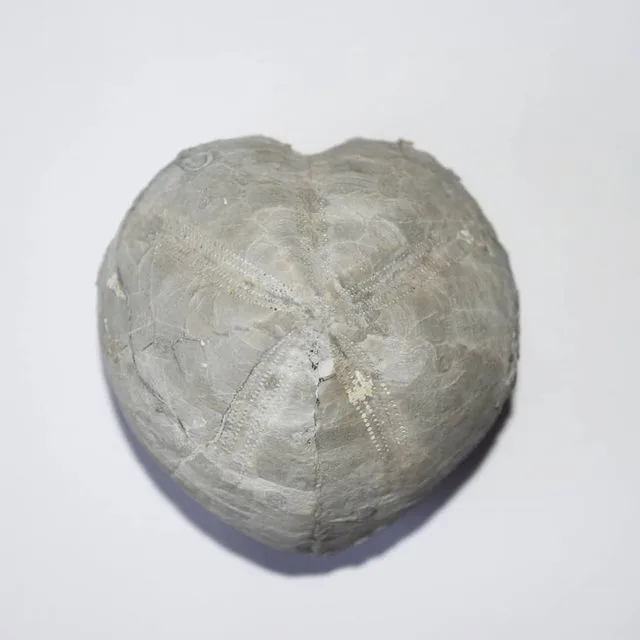
Heart-Urchin Fossil (Micraster coranguinum)
A heart-shaped echinoid ("sea potato") preserved in the Upper Chalk, showing the characteristic petaloid ambulacra.
Example Natural History Collection
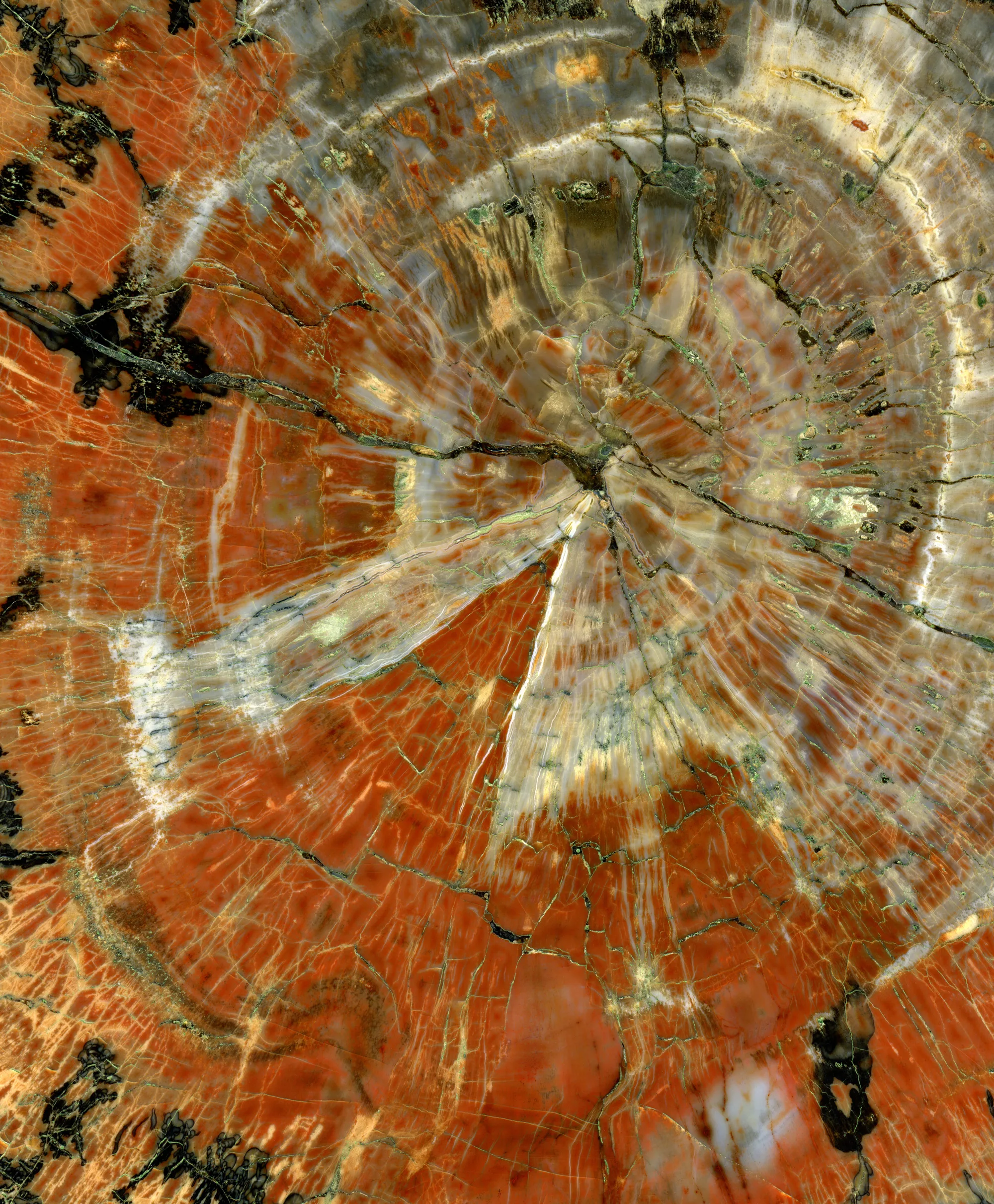
Petrified Wood Slice (Araucarioxylon arizonicum)
A polished slice of Late Triassic coniferous wood permineralised with silica, from the Chinle Formation of Arizona.
Example Natural History Collection
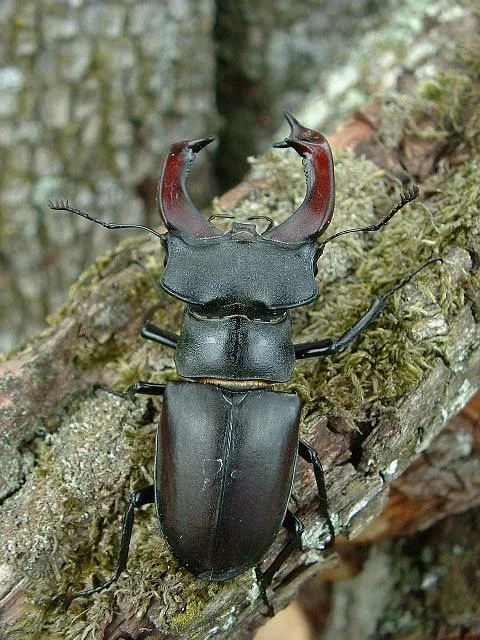
European Stag Beetle (Lucanus cervus), male
Adult male stag beetle showing the enormously enlarged mandibles used in contests between males.
Example Natural History Collection
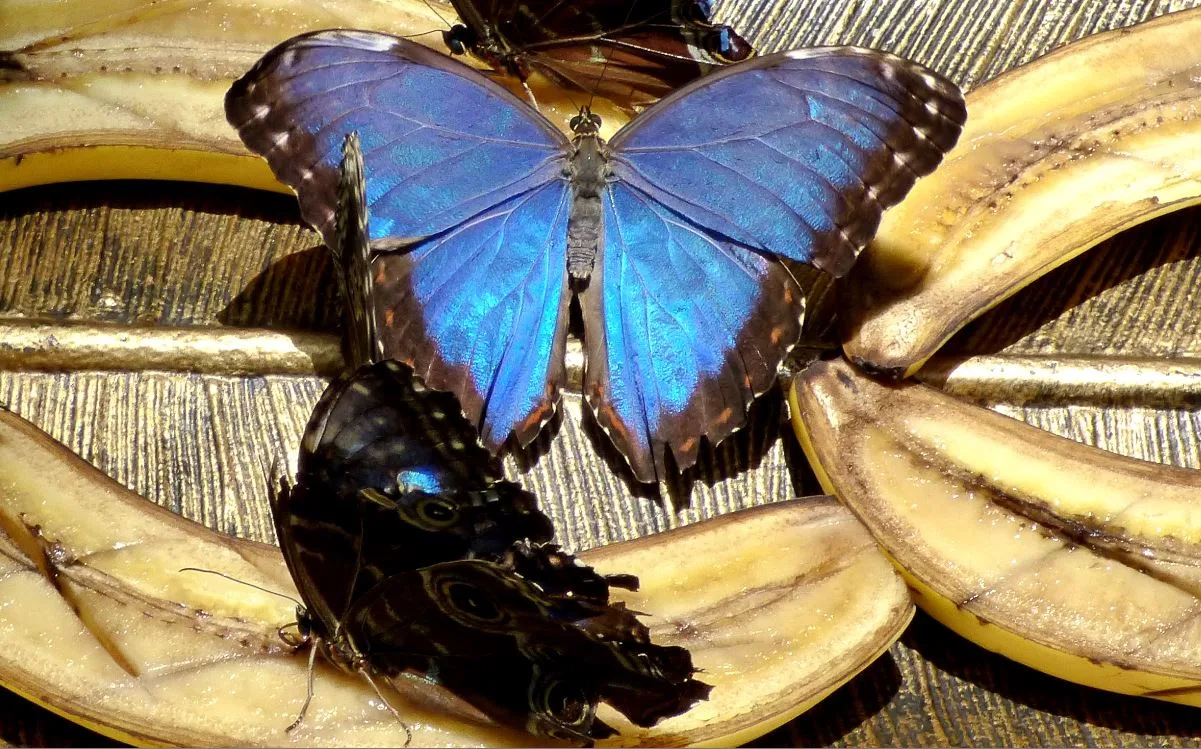
Blue Morpho Butterfly (Morpho peleides)
A captive-bred Blue Morpho pinned in a conservation-quality riker mount, wings spread to show the structurally-coloured dorsal surface.
Example Natural History Collection
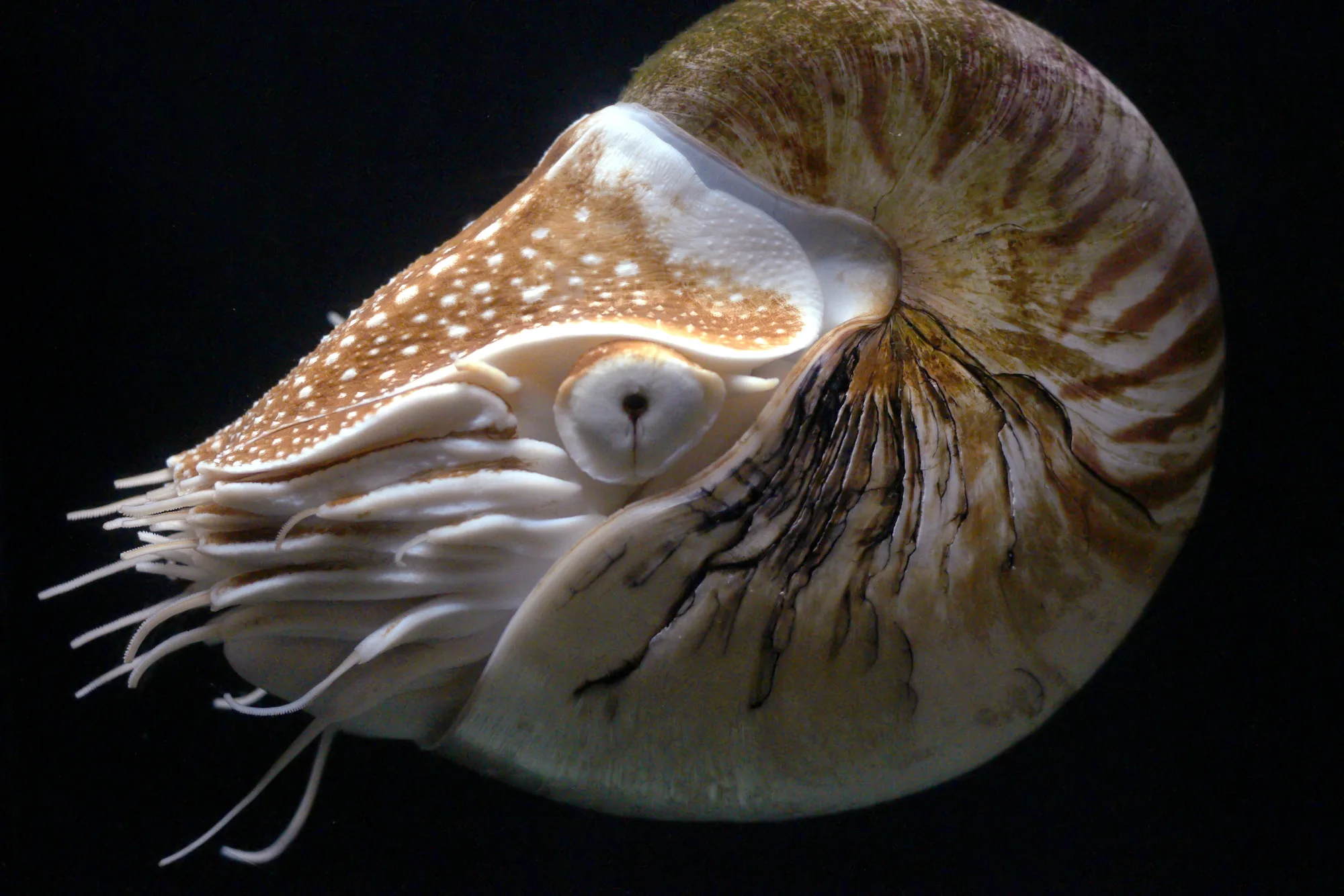
Chambered Nautilus Shell (halved, polished)
A bisected nautilus shell showing the internal chambers arranged in a logarithmic spiral, polished to reveal the nacreous layer.
Example Natural History Collection
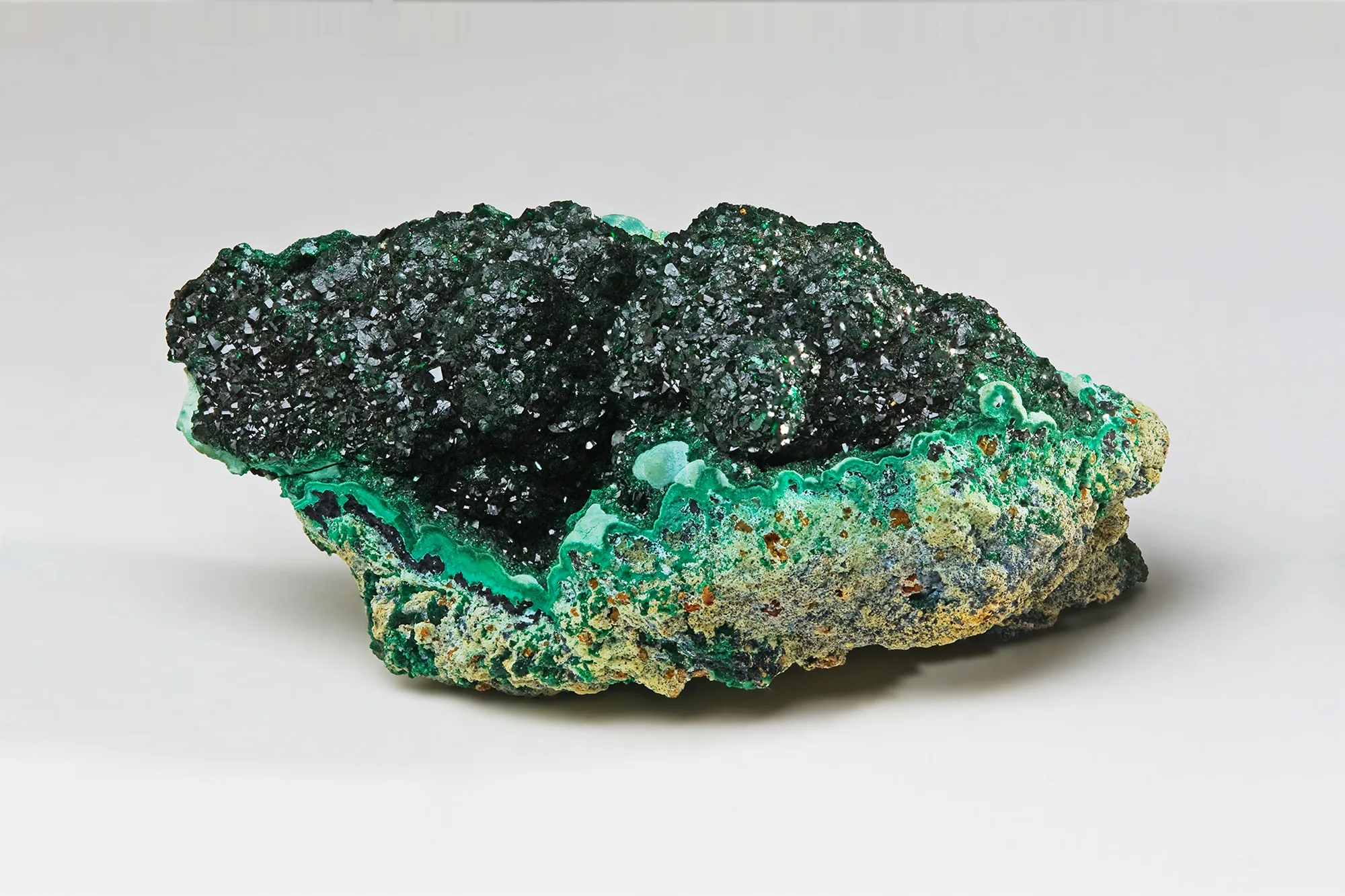
Botryoidal Malachite
A botryoidal (grape-like) malachite cabochon showing concentric banding of alternating dark and pale green zones.
Example Natural History Collection
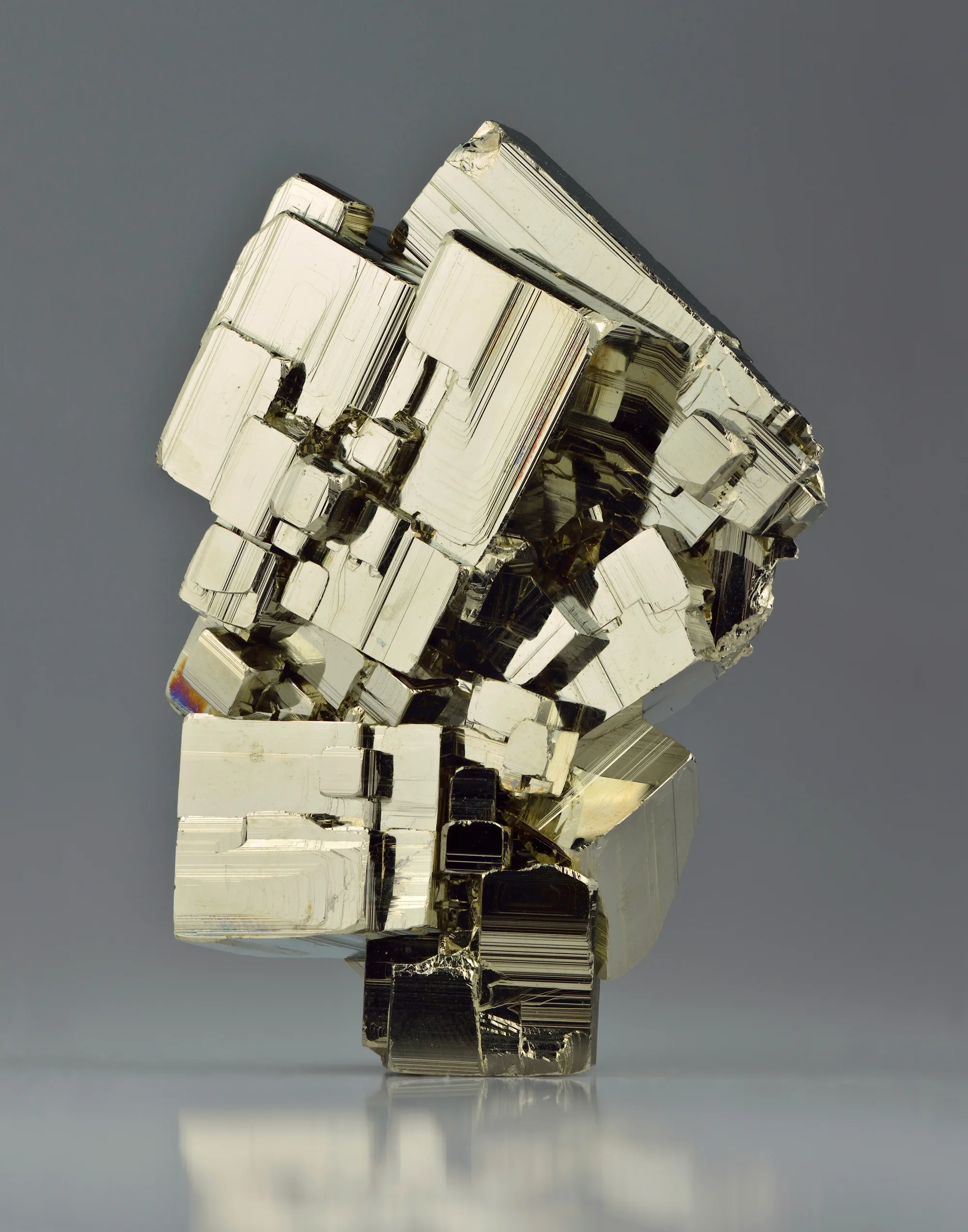
Pyrite Cube Cluster
Natural interpenetrating pyrite cubes with mirror-sharp faces, from the celebrated Navajún locality.
Example Natural History Collection
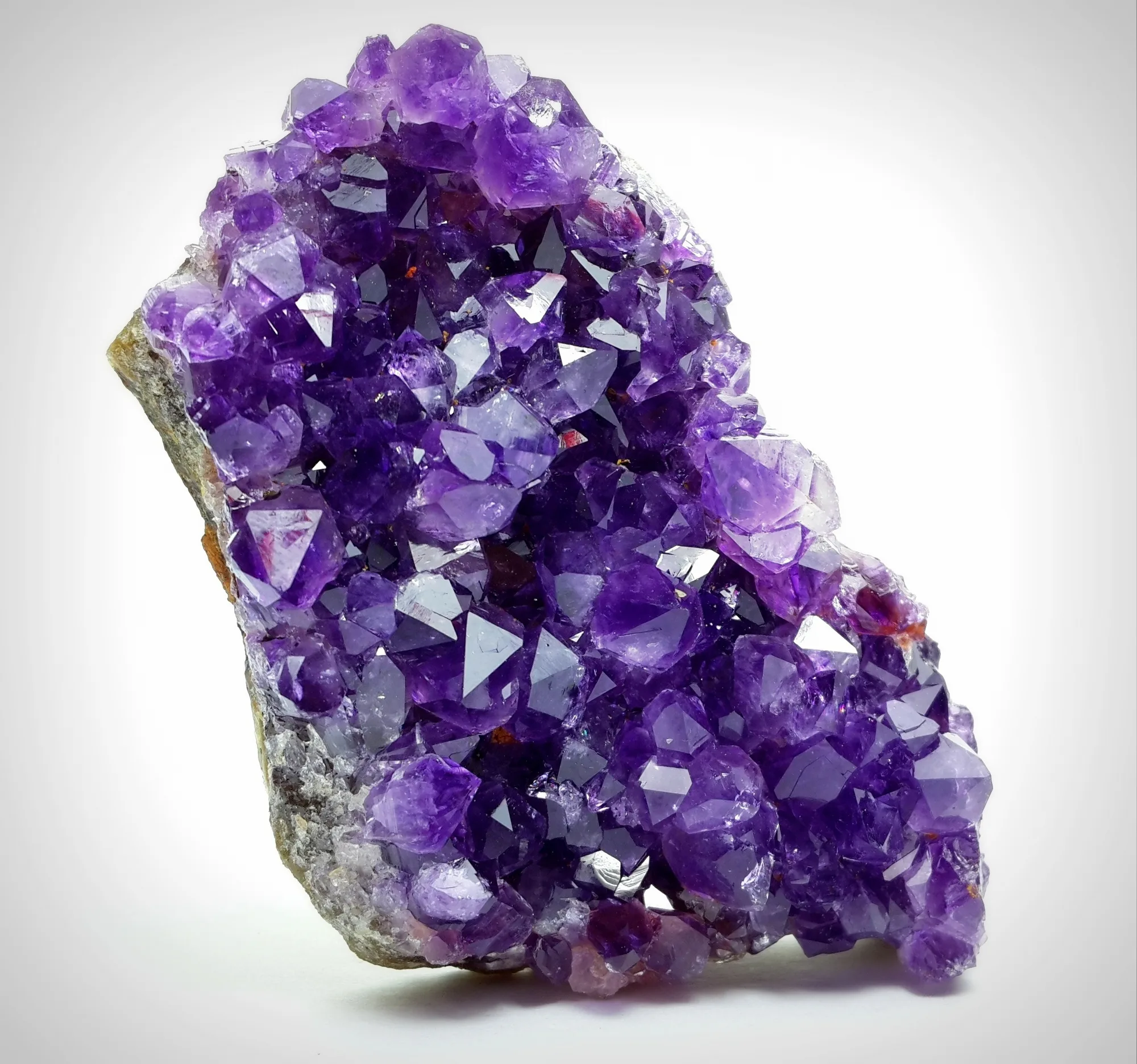
Amethyst Geode Cluster
A hollow basalt geode half, lined with deep-violet quartz crystals, from the Artigas basalts of northern Uruguay.
Example Natural History Collection
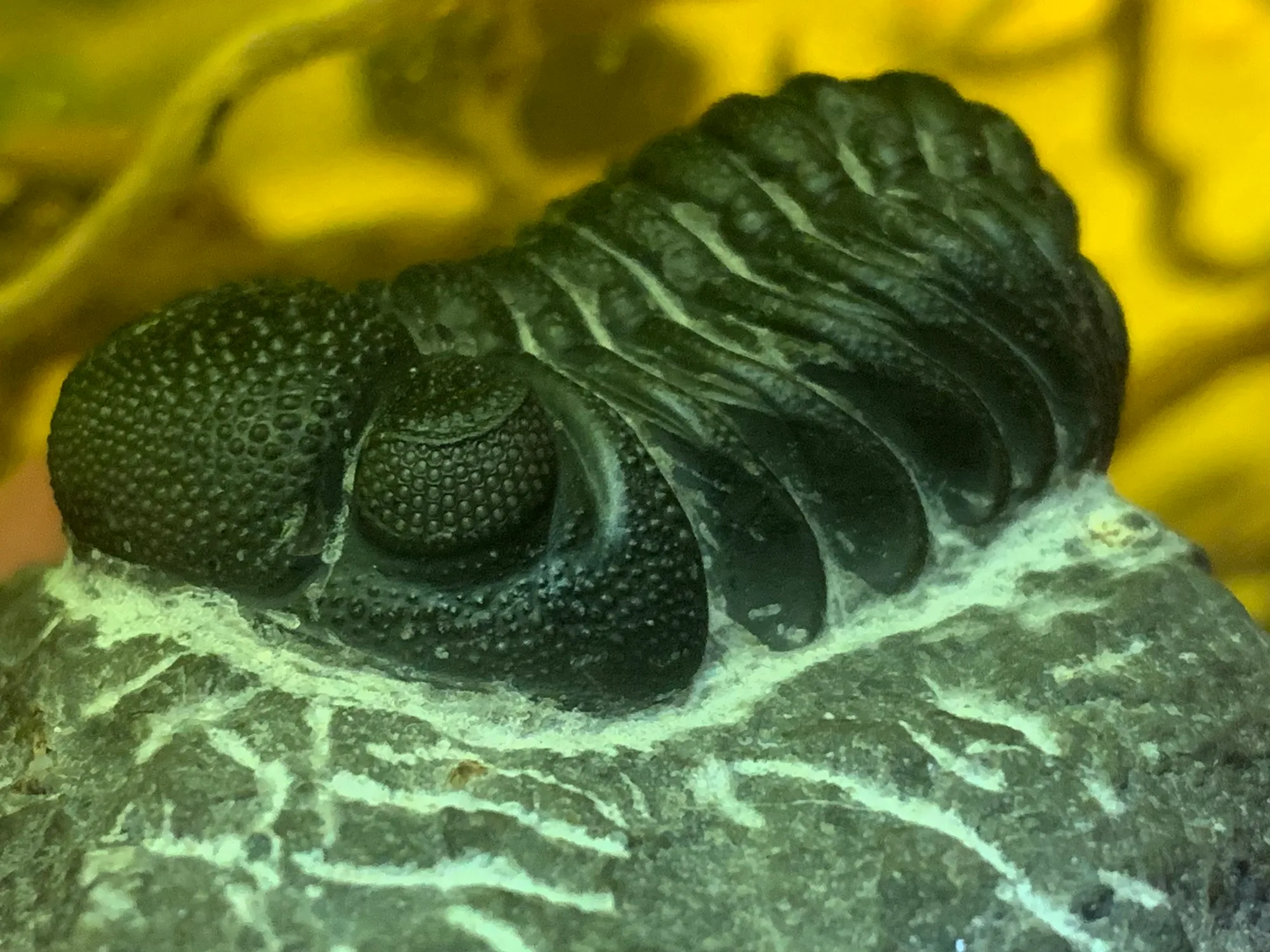
Phacops Trilobite
A fully prepared Middle Devonian trilobite with compound eyes and articulated thoracic segments visible.
Example Natural History Collection
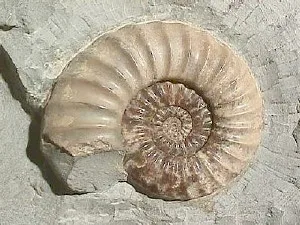
Pyritised Ammonite (Asteroceras obtusum)
A well-preserved coiled ammonite cephalopod from the Lower Jurassic cliffs of the Dorset coast, partially replaced by golden iron pyrite.
Example Natural History Collection

Test Image Upload
Test 8 - Updated