Fictional collector focused on British milled and hammered coinage from the Tudor period to the eve of decimalisation in 1971. This bio is illustrative only.

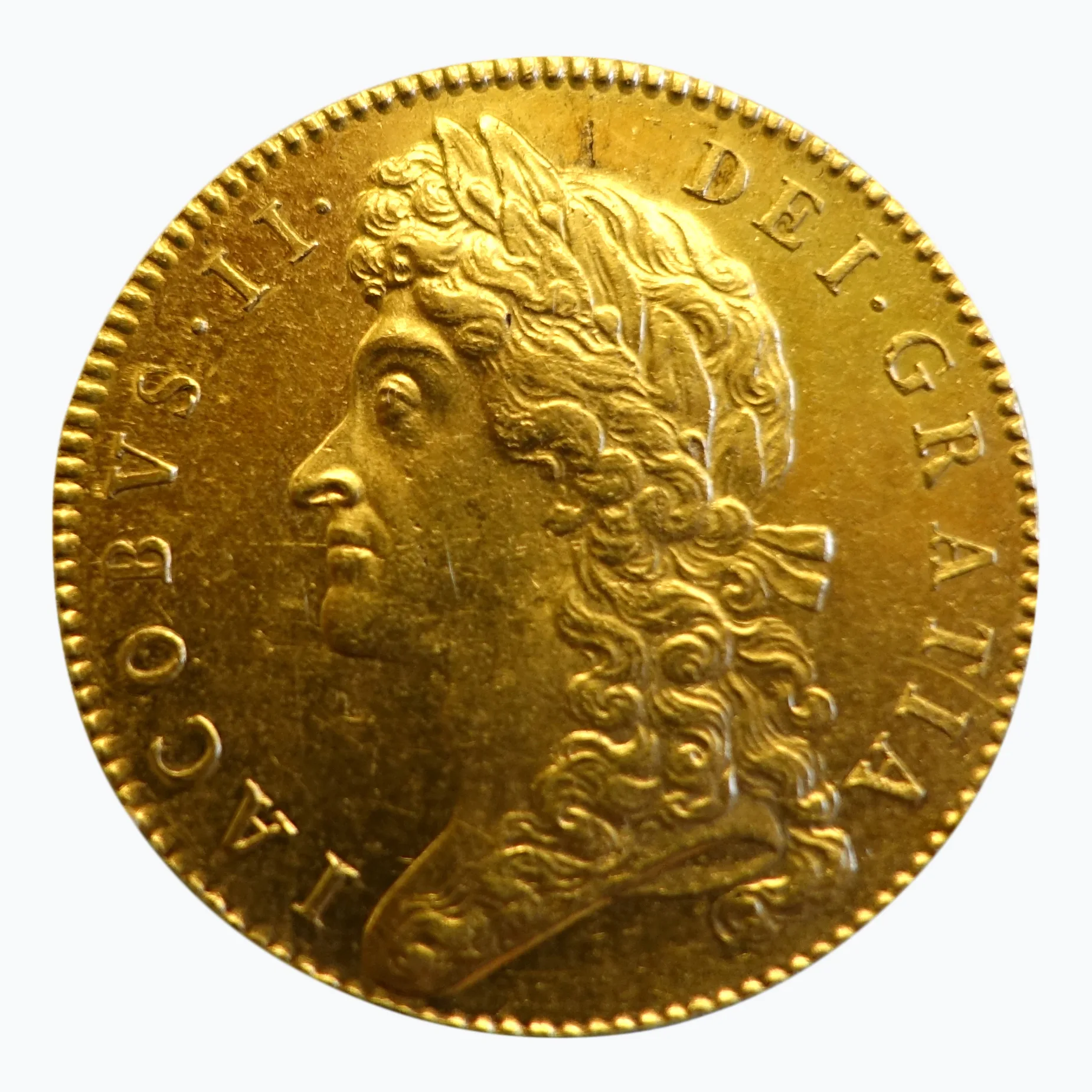
The last guinea denomination before the sovereign replaced it.

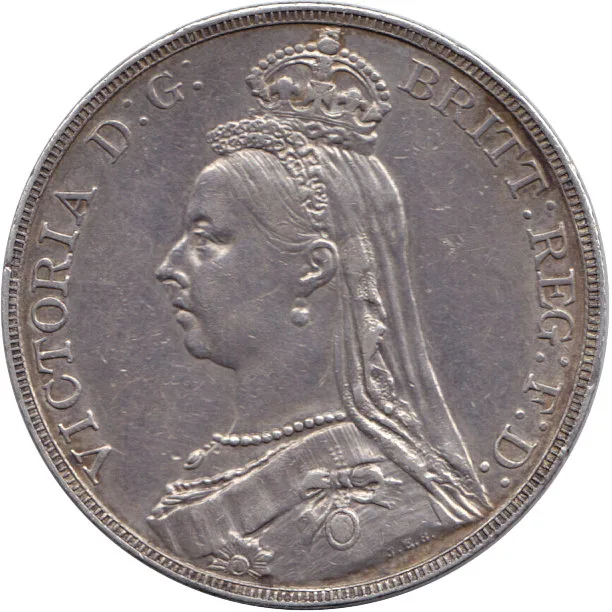
The Jubilee head, widely disliked at the time for the small crown.

Jubilee-head half-sovereign struck at the Royal Mint. The reverse carries a crowned shield rather than the Pistrucci St George.

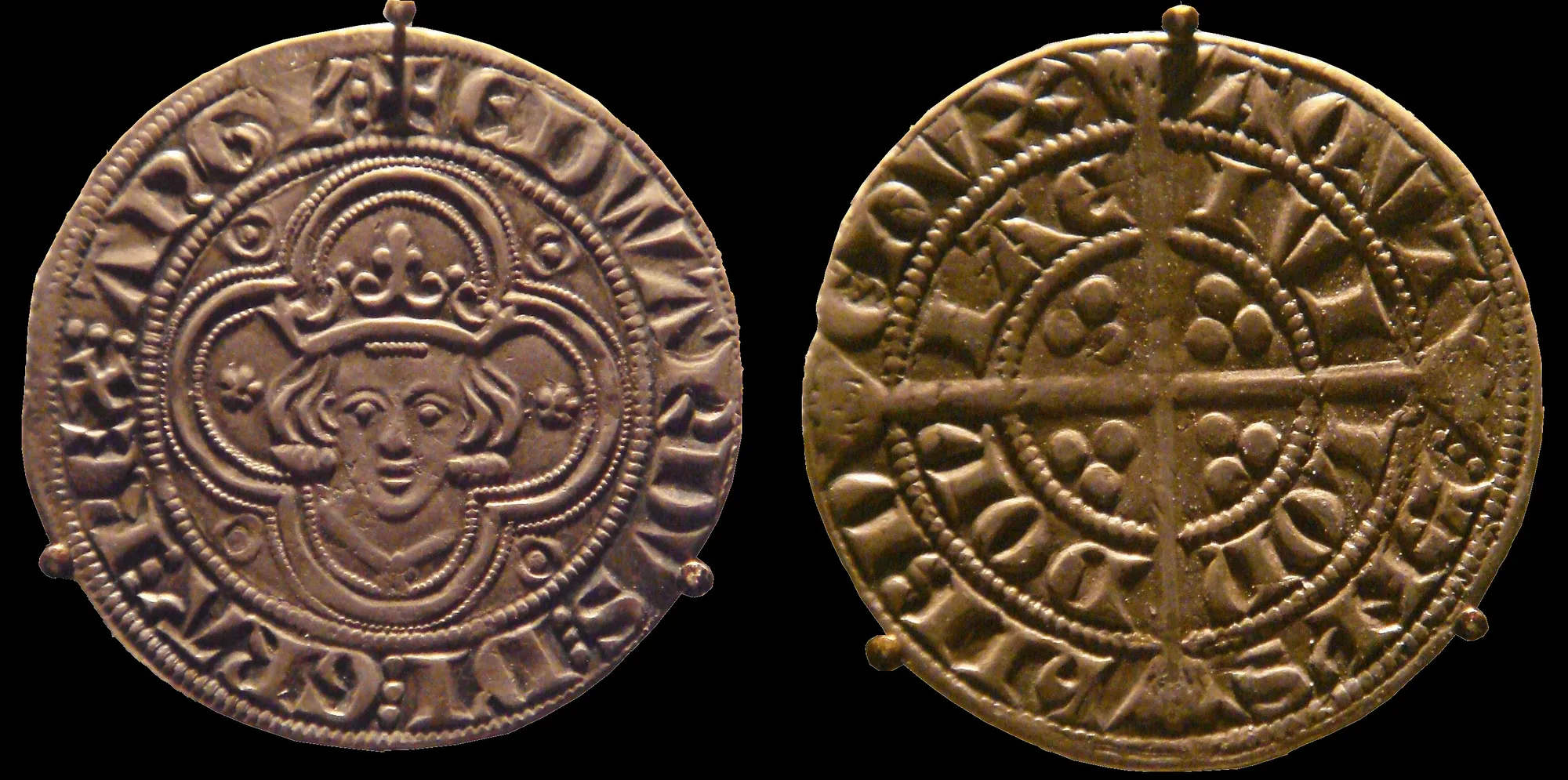
A hammered silver groat from the Second Issue of Elizabeth I. The groat was equal to fourpence — a day's wage for a common labourer in Tudor England.

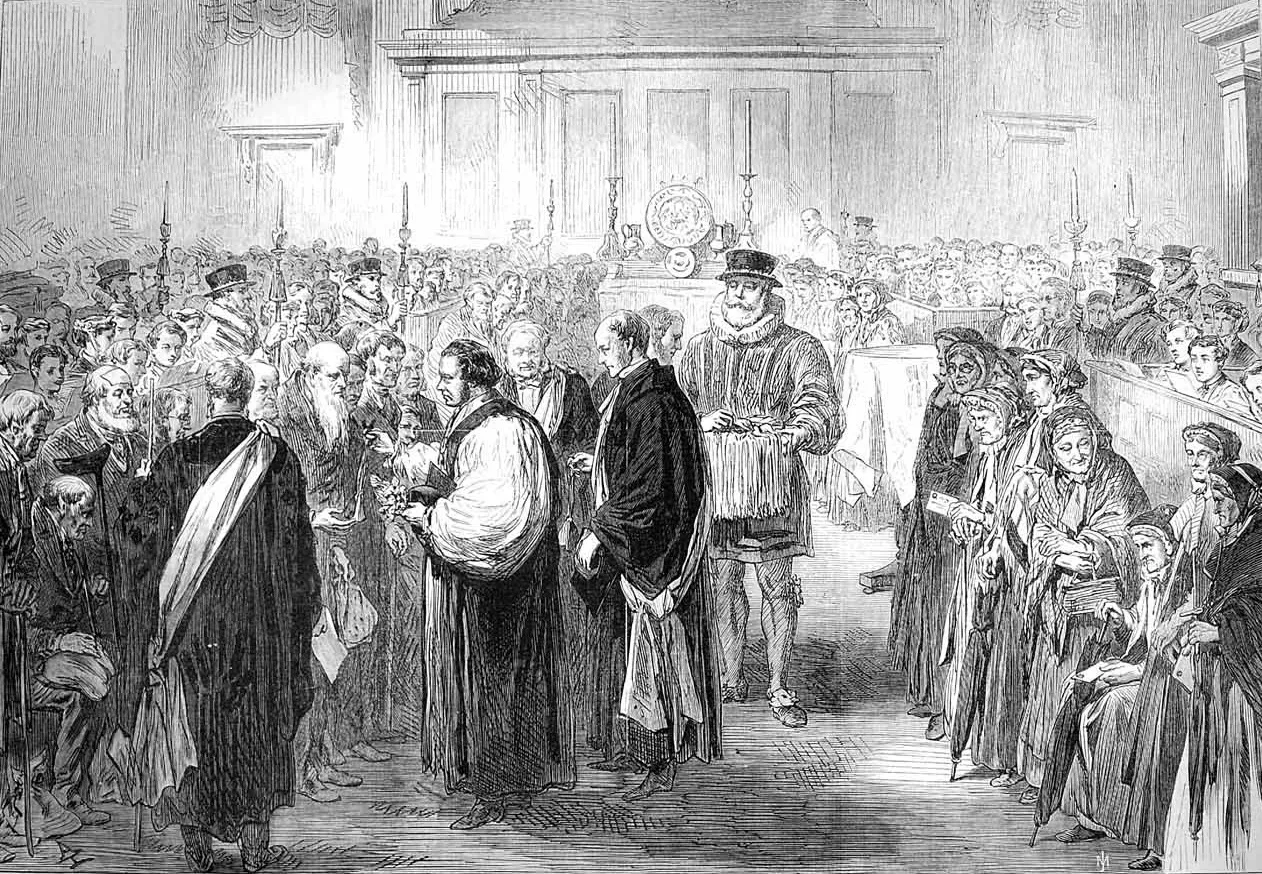
A matched set of Maundy coins distributed by Charles II at the Royal Maundy ceremony — the oldest continuous Royal tradition in Britain.

Struck during the Great Recoinage of 1696, when Isaac Newton as Warden of the Mint oversaw the replacement of clipped hammered coinage.

The obverse legend "VIGO" below the bust commemorates silver captured from Spanish treasure ships at the Battle of Vigo Bay, October 1702.

Struck by Matthew Boulton at Soho Mint, Birmingham — the first penny produced by steam-powered press, with its famous raised rim giving the "cartwheel" nickname.

A matched set of Maundy coins distributed by Charles II at the Royal Maundy ceremony — the oldest continuous Royal tradition in Britain.

A hammered silver groat from the Second Issue of Elizabeth I. The groat was equal to fourpence — a day's wage for a common labourer in Tudor England.

The last of the guinea denominations, nicknamed "spade" for the heart/spade-shape of its reverse shield. Replaced by the sovereign in 1817.

A wartime farthing — by 1917 farthings were being blackened at the Mint to distinguish them at a glance from sovereigns.

First-year Edward VII penny with George William de Saulles's Britannia reverse. The 1902 penny is especially collected for its "Low Tide" and "High Tide" reverse varieties.

Old-Head Victorian threepence — by the 1890s these circulated alongside matching "Maundy" threepences of the same weight and finish.

The obverse legend "VIGO" below the bust commemorates silver captured from Spanish treasure ships at the Battle of Vigo Bay, October 1702.

Struck during the Great Recoinage of 1696, when Isaac Newton as Warden of the Mint oversaw the replacement of clipped hammered coinage.

The short-lived four-shilling piece — one of the most unpopular Victorian denominations, struck for only four years between 1887 and 1890.

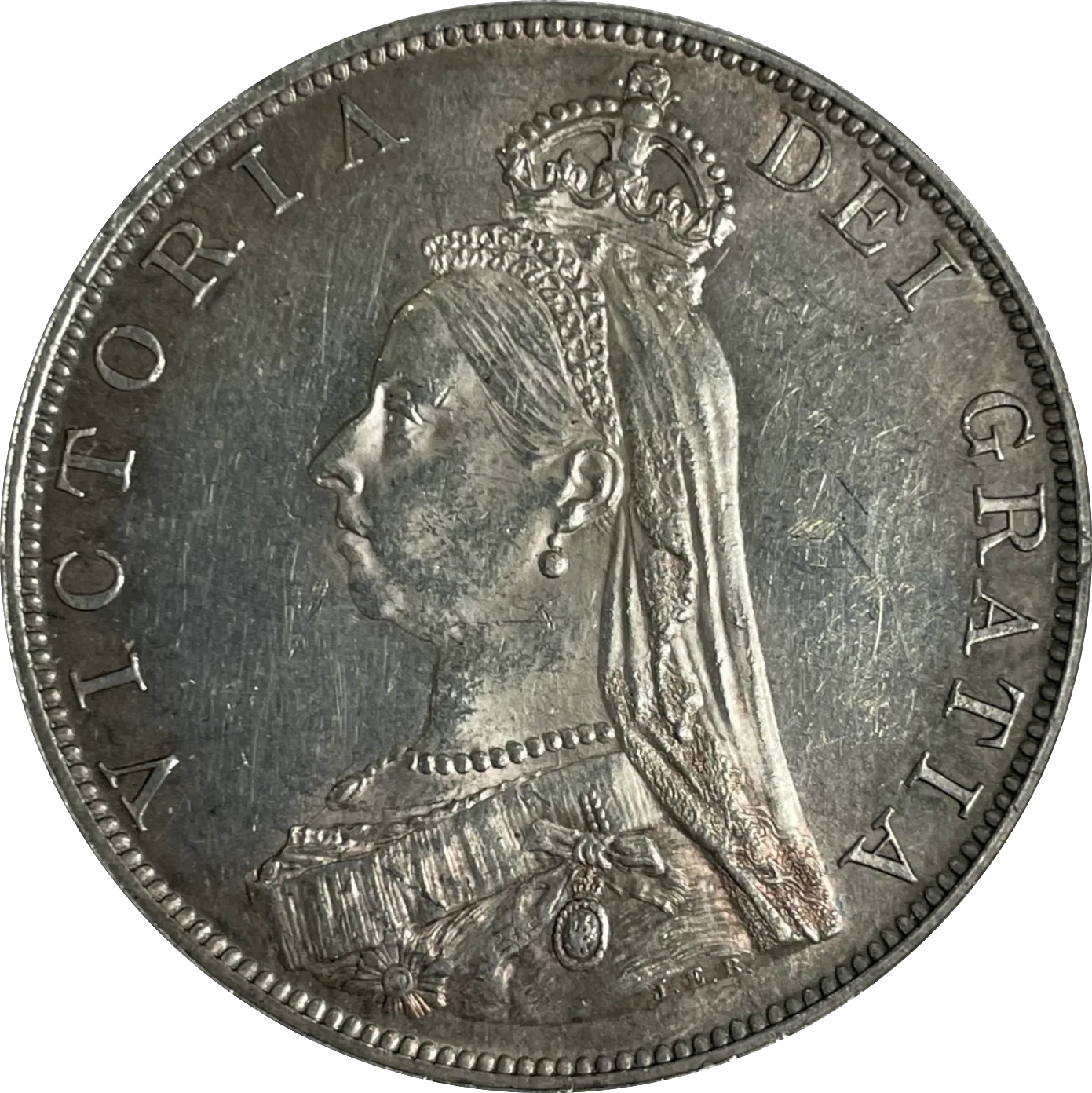
First-year Jubilee portrait florin — the two-shilling piece, or one-tenth of a pound. Pre-Imperial "godless" florins were replaced by this design in 1887.

Jubilee-portrait half-crown with the "spade" crown-and-garter reverse. A workhorse Victorian silver denomination in near-proof finish.

The celebrated "Gothic" pattern crown designed by William Wyon — widely considered the finest British silver coin ever struck. Only 8,000 pieces issued to collectors.

Jubilee-head half-sovereign struck at the Royal Mint. The reverse carries a crowned shield rather than the Pistrucci St George.

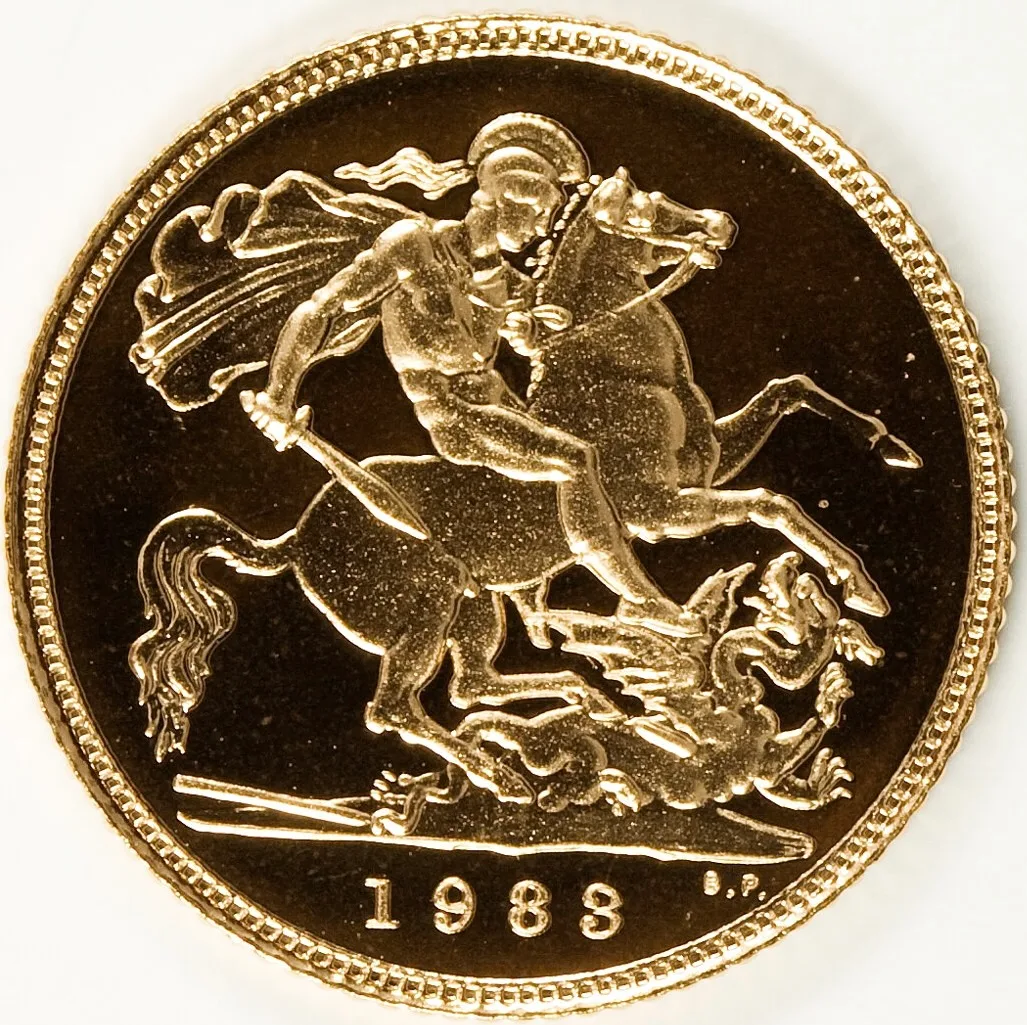
Jubilee-head gold sovereign struck at the Royal Mint, Tower Hill, to mark Queen Victoria's Golden Jubilee. Reverse by Benedetto Pistrucci (St George and the Dragon).